
Adaeze runs a fintech startup incorporated in Delaware, with an operating subsidiary in Lagos. Her Nigerian team of twelve people expects salaries on the 25th of every month, paid in naira, on time. Her US HoldCo holds the cap table and the investor relationship. Her Nigerian OpCo holds the staff, the office lease, and the payroll obligation. For over a year, she funded that OpCo the way many founders do. Wire money when payroll is due, hope the exchange rate holds, and sort out the paperwork later. It worked until her bank asked for documents she did not have and delayed a transfer by two weeks. If you run a US HoldCo, Nigerian OpCo structure, how you fund payroll and operations decides whether that happens to you too.
Salario has a detailed walkthrough of the actual transfer mechanics, from choosing a structure to securing your Certificate of Capital Importation. This piece steps back further, to the funding decisions you should settle before your first wire ever leaves the US account.
Why Your US HoldCo, Nigerian OpCo Structure Needs a Funding Plan
A HoldCo and OpCo split is common for founders who raised capital in the US but hire and operate in Nigeria. The HoldCo keeps investors, IP, and the cap table in a jurisdiction they trust. The OpCo hires Nigerian staff, signs local contracts, and carries statutory obligations like PAYE and pension. That split only works smoothly if money moves between the two entities in a predictable, documented way. Founders who treat funding as an afterthought end up with a Nigerian OpCo that cannot pay salaries on time, or worse, cannot legally send profits back to the HoldCo later.
Three Ways to Fund Your Nigerian OpCo
There are three common paths for moving money from a US HoldCo into a Nigerian OpCo, and each suits a different stage of the business. Equity investment means the HoldCo buys shares in the OpCo, with no repayment obligation attached. It suits founders capitalizing a new subsidiary before it earns local revenue, since the funds sit on the OpCo’s balance sheet as owner capital rather than debt. An intercompany loan works differently. The HoldCo lends money to the OpCo, and the OpCo repays it with interest over time. This route gives you more flexibility to move money back out later, since loan repayments are treated differently from dividends for tax purposes. It does mean you need a proper loan agreement with a market interest rate, not a casual arrangement between related parties.

Trade credit, where the HoldCo pays for shared services or software on the OpCo’s behalf, covers specific costs but rarely suits ongoing payroll funding. It works well for a shared SaaS subscription or a piece of equipment the US side already owns. It works poorly as a way to fund monthly salaries, since it does not create the clean, traceable line auditors want to see between a funding entity and an operating one. Whichever path you choose, tell your accountants on both sides before the first wire goes out, and stick with that structure consistently rather than mixing methods month to month.
Get the Certificate of Capital Importation Before You Need It
A Certificate of Capital Importation, or CCI, is the document that proves foreign capital entered Nigeria through an authorized channel. Your Nigerian bank issues it as an authorized dealer for the Central Bank of Nigeria. Without a CCI, you cannot later repatriate profits, dividends, or loan repayments back to your US HoldCo through official channels. Notify your bank before sending funds, not after, and tell them the amount, purpose, and whether the money is equity or a loan. Founders who skip this step usually only discover the problem when they try to move money out of Nigeria, which is the worst possible time to learn about it.
Build a Rhythm, Not a Scramble, to Fund Payroll and Operations
Payroll is recurring, so funding it should be too. Founders who wire money reactively, only when payroll is due, tend to convert dollars at worse naira rates because they have no room to wait out volatility. A better approach is to fund the Nigerian OpCo a few weeks ahead, holding naira in an interest-bearing account until payday. This also protects you from banking delays. Wire transfers between the US and Nigeria can take several business days to clear, and a late transfer becomes a late payroll run if you have no buffer.
This rhythm also depends on knowing the real number you are funding toward. Salary is only one line item. Once you add employer pension contributions, NHF, NSITF, and other statutory costs, the true monthly cost of your Nigerian team runs well above the salary figure on the offer letter. It helps to work out what an employee really costs a Nigerian business before you set your funding schedule, so the amount you wire each cycle covers the full obligation, not just take-home pay. If you manage a distributed team split across US and Nigerian offices, the same planning applies to remote payroll operations more broadly, where funding timelines and processing schedules need to stay in sync.
Watch Transfer Pricing Between Your HoldCo and OpCo
Intercompany loans and service arrangements between a US HoldCo and a Nigerian OpCo fall under transfer pricing rules that the Federal Inland Revenue Service enforces closely. Your loan needs a market interest rate and a signed agreement, not an informal arrangement between related parties. Nigerian capital importation hit its highest level in seven years in 2025, with total inflows rising 88.5 percent to $23.21 billion, and regulators are paying closer attention to how that capital moves once it lands. Loose paperwork between a US parent and its Nigerian subsidiary invites scrutiny that a properly documented loan agreement avoids.
Stablecoins Are Changing How Founders Fund Payroll and Operations
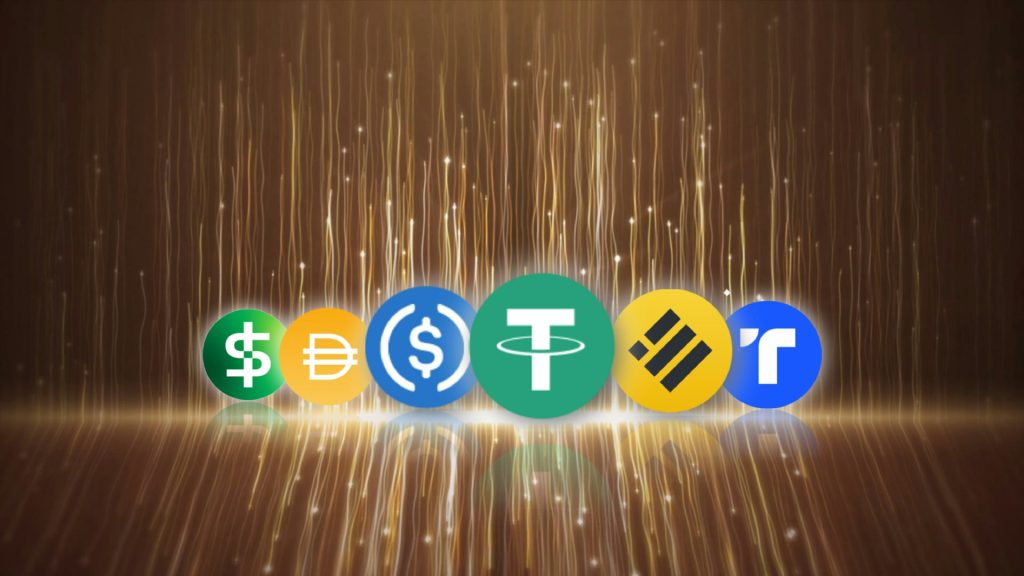
Traditional wires remain the right choice for large capital injections that need a CCI. But for smaller, faster transfers between funding rounds, some founders are exploring stablecoin rails to move dollars into Nigeria with fewer fees and shorter delays. It is worth understanding how stablecoin payroll works if speed matters more to you than the traditional banking timeline. This should sit alongside your CCI-backed capital transfers for larger sums, not replace them, since regulators still expect a documented trail for significant inflows.
Pick the Right Entity Structure from the Start
Not every founder needs a full Nigerian subsidiary on day one. Some US startups test the Nigerian market through an Employer of Record before committing to their own entity, which changes how you fund payroll entirely since the EOR handles local compliance on your behalf. If you are still deciding between an EOR and a full OpCo, it helps to read how European and US startups typically structure their entry into Nigeria before committing to a funding method built around a subsidiary you may not need yet.
Common Funding Mistakes That Trip Up HoldCo-OpCo Structures
The most frequent mistake founders make is treating the first capital transfer as a one-time task rather than an ongoing process. They secure a CCI for the initial injection, then wire smaller top-up amounts casually afterward without repeating the paperwork. Every material inflow needs its own record, even when it lands in the same account as before. The second mistake is funding payroll directly from a US account without routing it through the Nigerian OpCo’s books first. This confuses your compliance picture and makes it harder to track statutory obligations, which must be calculated and paid in naira regardless of where the funding originated. The third is underestimating how much exchange rate timing matters, since the same dollar amount can cover very different local costs depending on when you convert it.
Where Salario Fits In
Getting capital into Nigeria and structuring the HoldCo, OpCo relationship correctly solves only half the problem. Once naira lands in your OpCo’s account, it still needs to become accurate, compliant salary payments every month, with PAYE, pension, and other statutory deductions calculated correctly. Platforms like Salario automate that layer, so your finance team is not recalculating compliance rules by hand each payday while also tracking intercompany funding across two countries. Salario’s Payroll Wallet integration with SafeHaven also gives founders a dedicated, funded wallet for recurring costs like salaries, which reduces the risk of sending money from the wrong account or missing a transfer once monthly payroll is running. For founders managing a distributed structure, that combination of correct funding and correct payroll processing is what keeps a Nigerian OpCo running without daily oversight from the US side.
Getting the structure right between your US HoldCo and Nigerian OpCo protects your capital and keeps your team paid on time. Book a free demo with Salario today and see how founders funding operations from abroad keep payroll compliant without micromanaging every naira. When the funding and the payroll both run smoothly, distance stops being a liability.