
Ask most Nigerian employers what employee experience means, and payday comes up first. Get salaries out on time, and the job is done. But employee experience is bigger than a monthly transfer. It covers how a candidate is treated during hiring, how welcome they feel on day one, the culture they work in every day, and the benefits that support them between paychecks. Payday matters, but it is one moment in a much longer relationship.
Nigerian businesses that treat employee experience as just payroll accuracy are missing the bigger picture. Global data backs this up. Companies with strong retention practices see a 28% improvement in customer satisfaction, and 93% of employees say they are more likely to stay with an organization that invests in their development, according to LinkedIn Learning. Employee experience shapes whether people stay, how hard they work, and whether they recommend your company to others.
This article looks at what employee experience actually includes, from hiring through the first weeks on the job to the culture and benefits that keep people engaged, and shows why getting it right matters more than getting payday right alone.
Employee Experience Begins at Hiring
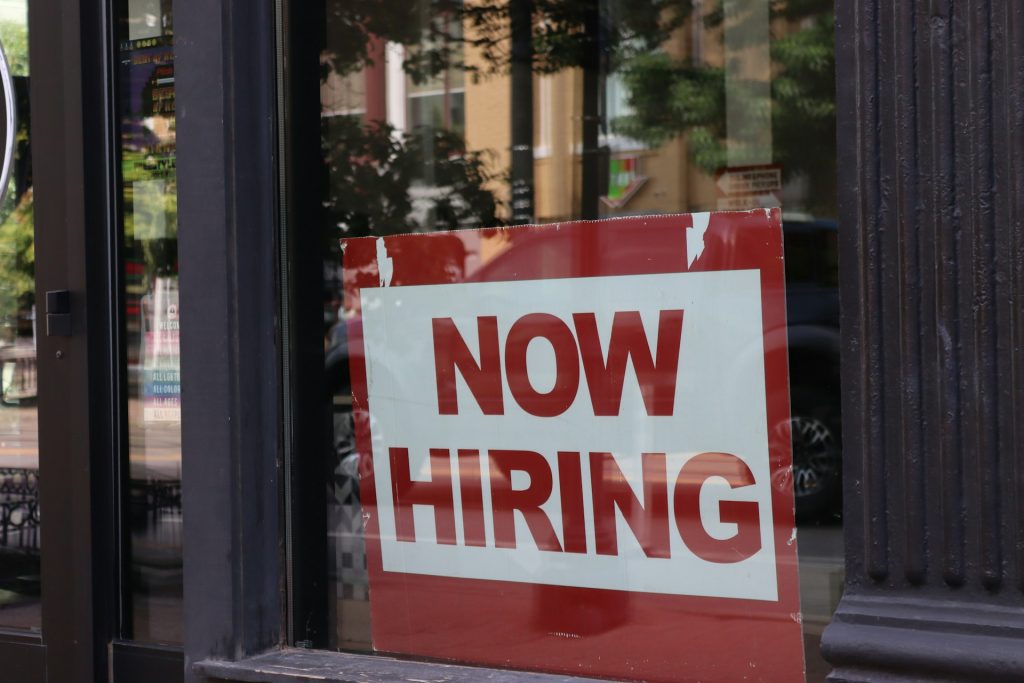
Before someone earns a single naira, they are already forming an opinion of your company. A slow, confusing hiring process tells candidates something about how the business runs day to day. A three-week silence after an interview, an unclear job description, or a recruiter who never follows up all shape employee experience before the employee even exists.
Adaeze, an HR manager at a Lagos fintech startup, learned this the hard way. Her team lost two strong candidates last year, not to competing offers, but to slow communication. Both candidates accepted other roles simply because those companies replied faster. The cost of a poor hiring experience is not always visible in a spreadsheet, but it shows up in the quality of talent walking through your door.
A clear, respectful hiring process signals what a candidate can expect once hired. Timely updates, honest conversations about pay and expectations, and a smooth offer process all build trust before the first day. This is where employee experience truly starts, not on the first payday, but on the first interview call.
Onboarding Sets the Tone
The first weeks on a job carry more weight than most employers realize. Nigerian businesses often rush onboarding, especially in fast-growing SMEs where HR wears many hats. A new hire handed a laptop with no login access, no clear reporting line, and no idea what success looks like in their role is already disengaging.
Structured onboarding does the opposite. It introduces new employees to the culture, clarifies expectations, and connects them to the people they will work with. Employees who experience great onboarding are far more likely to stay with a company for longer. This should shape how Nigerian employers think about their first 30 days with a new hire.
Onboarding is also where employees form their first real impression of company culture. Do managers check in, or disappear once the paperwork is signed? Is there a mentor or buddy system, or is the new hire left to figure things out alone? These details matter more than most companies admit.
For growing Nigerian SMEs, formal onboarding does not need to be complicated. A simple 30-60-90 day plan, a short welcome document explaining company norms, and a scheduled check-in at the end of week one go a long way. What matters is intention. New hires who feel guided through their first month tend to stay engaged well past the point where a badly onboarded employee would have already checked out.
Work Culture Shapes Daily Experience
Culture is the sum of small, repeated moments. It is how meetings are run, whether feedback flows both ways, and whether employees feel safe raising concerns. In Lagos, where long commutes and traffic already eat into personal time, a rigid, inflexible culture adds unnecessary strain on top of an already demanding day.
Flexibility has become one of the strongest retention tools available to employers. Organizations offering location flexibility report far fewer challenges keeping staff, with only 15% of HR leaders at flexible companies citing retention problems as a concern. For Nigerian businesses juggling Lagos traffic, unreliable power, and long commutes, flexible work arrangements are not a luxury. They are a practical response to real constraints employees face daily.

Recognition plays a similar role. Many employees say they would work harder if their efforts were acknowledged, not just financially rewarded but genuinely seen by their managers. A culture where hard work goes unnoticed pushes people toward disengagement, even if the salary is competitive. Culture, in this sense, is not a poster on the wall. It is whether an employee feels respected on an ordinary Tuesday.
Communication style matters too. Nigerian workplaces often carry a strict hierarchy, where junior staff hesitate to question a manager’s decision. That instinct protects harmony in the short term, but it quietly damages employee experience over time. Employees who feel unable to speak up disengage faster than employees who disagree openly and get heard. Building a culture where feedback moves in both directions, not just top down, tends to produce more loyal, more invested teams.
Benefits Beyond the Basic Salary
Employee experience also includes what happens between paydays, not just the payday itself. Statutory benefits like pension contributions, NHF, and health insurance are the baseline, not the whole picture. Nigerian employers increasingly compete on benefits that go further: transport allowances, health coverage through HMOs, life insurance, and mental health support.
Financial stress in particular affects far more than an employee’s bank balance. It affects focus, productivity, and how present someone is at work. This is where flexible pay options matter. When employees can access a portion of already earned wages before the official payday, financial emergencies stop turning into full-blown crises. It is a benefit that acknowledges a simple truth: most financial stress does not wait politely for the last working day of the month.
Benefits that address real Nigerian realities, like naira volatility and irregular expenses, do more for employee experience than generic perks copied from foreign playbooks. A gym membership means little to someone worried about a sick child’s hospital bill three weeks before payday.
Why Payday Alone Is Not Enough
None of this diminishes the importance of paying employees correctly and on time. Payroll errors erode trust fast, and Nigerian employees have every reason to expect accuracy given how tight household budgets often are. But paying correctly is the floor, not the ceiling, of employee experience.
Companies that only focus on payday accuracy while ignoring hiring, onboarding, culture, and benefits are solving one problem while creating others. An employee paid on time but ignored by management, poorly onboarded, or denied flexibility is still an employee at risk of leaving. Retention data makes this clear: engaged employees are significantly less likely to look for new roles, and workplace culture is often the deciding factor in whether someone stays.
Employee experience, done well, connects every one of these pieces. Hiring builds first impressions. Onboarding builds confidence. Culture builds daily satisfaction. Benefits build financial security. Payday is simply the point where the business fulfills its most basic promise. Everything else is what makes employees want to stay past that promise.
Building a Complete Employee Experience
Nigerian business owners and HR managers juggling manual processes often default to focusing on what feels most urgent: getting salaries out correctly and on schedule. That instinct makes sense, but it leaves the rest of the employee experience to chance. Platforms like Salario handle the payroll and compliance side accurately, freeing HR teams to focus on the parts of employee experience that payroll software cannot automate: culture, communication, and genuine care for the people on the team.
Salario also supports flexible pay through earned wage access, giving employees a way to manage financial stress without waiting for the end of the month. Combined with self-service portals that give employees visibility into their own pay and benefits, this builds trust that extends far beyond a single transaction each month.
Ready to build an employee experience that goes beyond payday? Book a free demo with Salario today and see how automated, accurate payroll frees your team to invest in hiring, onboarding, and culture. When the basics run smoothly, everything else has room to grow.