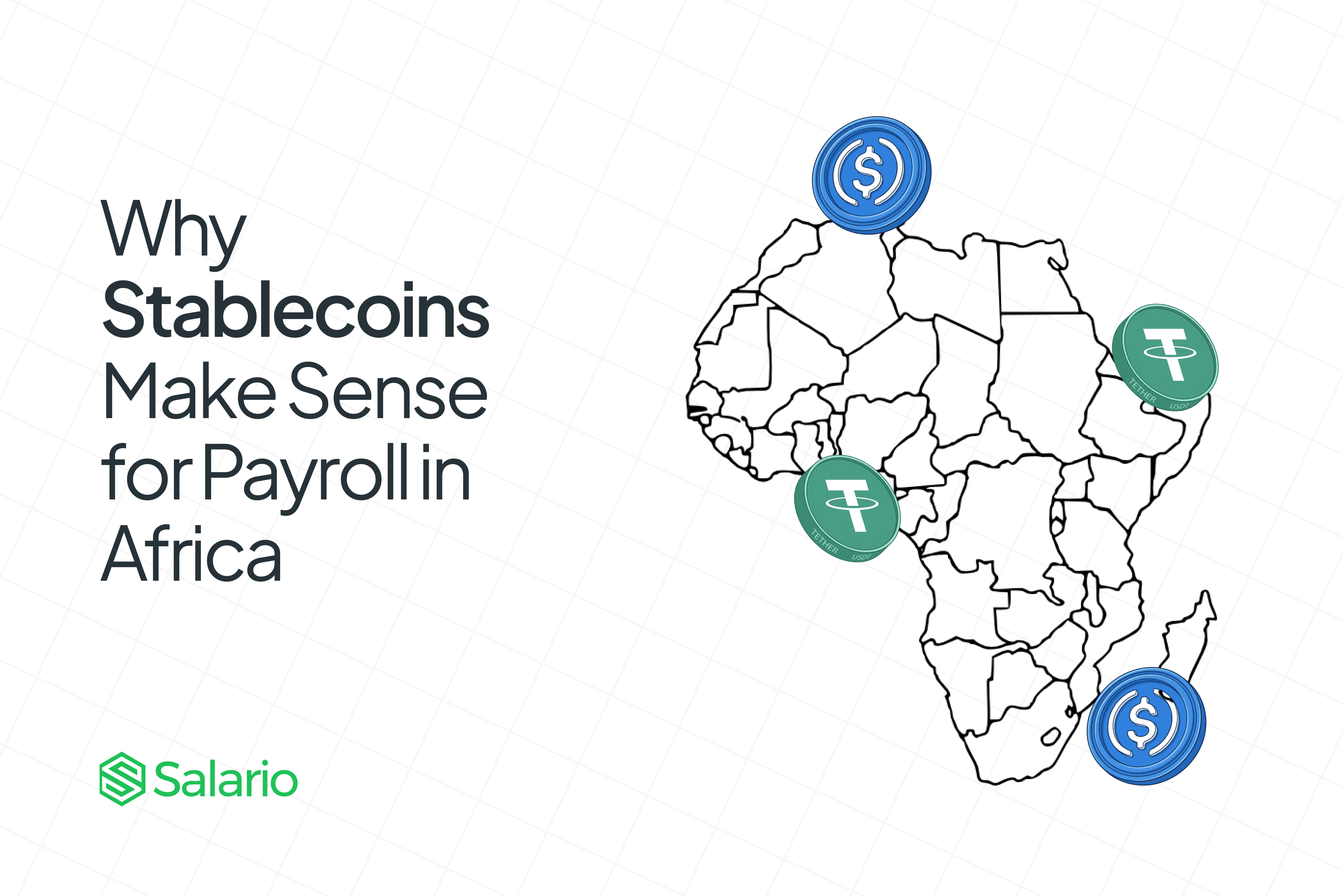
Stablecoin payroll in Africa is no longer a futuristic idea, it is becoming a practical reality for businesses across the continent. Traditional cross-border and domestic payroll has long been affected by high costs, slow settlement, currency volatility, and limited access. Stablecoins are changing that by offering speed, stability, and lower friction.
In this article, we’ll explore what stablecoin payroll in Africa looks like today, how it operates, the challenges of traditional methods it solves, the real benefits it delivers, and why Salario is emerging as the smart, compliant choice for businesses ready to adopt it. Let’s first understand what the challenges of traditional payroll in Africa are!
Challenges of Traditional Payroll in Africa
Traditional payroll methods in Africa still dominate, but they come with significant limitations that stablecoin payroll in Africa aims to solve. These Challenges include:
High Fees and Currency Volatility
Traditional wires and remittance services charge heavy fees for conversion and processing. Local currency fluctuations add extra risk, often forcing employers to absorb losses or pass them on to employees. These unpredictable costs make budgeting difficult and reduce the actual value employees receive each month. Over time, the cumulative effect of high fees and FX losses can significantly impact both business profitability and employee take-home pay, creating ongoing financial pressure for everyone involved.
Slow Settlement Times
Bank wires and legacy remittance services can take days or even a week to clear. This delay frustrates employees who rely on timely pay for daily needs and disrupts team morale. When workers cannot access earned wages promptly, it affects their ability to plan expenses, pay bills, or handle emergencies. For employers, repeated delays also damage credibility and make it harder to attract or retain talent in competitive markets.
Compliance Hurdles
Navigating central bank regulations, tax reporting, and cross-border requirements is complex and time-consuming. Errors or delays in documentation can trigger audits or penalties. Many businesses struggle to keep up with evolving rules across different jurisdictions, especially when teams are spread across borders. This complexity increases administrative burden and diverts attention from core business activities.
Limited Accessibility
Not every employee has easy access to traditional bank accounts. linking traditional bank accounts to international payments often involves extra steps and costs. This leaves many workers, particularly in rural or informal sectors, excluded from efficient payment systems or forced to rely on expensive cash-out networks, reducing the overall effectiveness of payroll.
Fraud Risks
Manual processes and multiple intermediaries create opportunities for errors or manipulation. Without strong controls, funds can be misdirected or delayed, increasing the chance of disputes. The lack of real-time visibility and immutable records makes it harder to detect irregularities early, putting both employer funds and employee trust at risk.
Stablecoin Payroll in Africa

Stablecoin payroll in Africa refers to the use of digital currencies pegged to stable assets, such as the US dollar, to pay salaries, bonuses, or wage advances instead of relying solely on traditional bank wires or local fiat transfers. Employers can hold or convert funds into stablecoins and disburse them directly to employee digital wallets, which may be mobile money-linked or dedicated crypto wallets. Employees can then convert to local currency as needed through integrated on-ramps or exchanges. In practice, platforms handle the technical bridge between stablecoin rails and local payment systems, making the process feel familiar to both employers and workers.
Key characteristics include near-instant settlement, significantly reduced foreign exchange risk, lower transaction fees, greater accessibility for unbanked workers, and improved transparency through blockchain records. This approach is particularly valuable across Africa, where local currencies can be volatile and cross-border payments are often expensive or slow. Stablecoin payroll in Africa therefore offers a more efficient and inclusive way to compensate teams, whether they are local staff, remote workers, or diaspora contractors.
How Stablecoin Payroll Solves the Core Payroll Problems in Africa
Stablecoins directly target the friction points that have long plagued traditional payroll in Africa. Here’s how they are making a difference:
Instant Settlements
Payments complete in minutes rather than days. Employees receive funds almost immediately, improving cash flow and satisfaction while reducing uncertainty around payday. This speed allows workers to address urgent needs without waiting or borrowing, and it gives employers greater confidence that payroll is executed reliably, strengthening overall team trust and operational efficiency.
Lower Costs
Fees are minimal compared to banks or remittance services. With USD-pegged stablecoins, there are no losses from currency conversion, making payments more predictable and affordable for both sides. Employers save meaningful amounts that can be redirected toward business growth or employee benefits, while workers keep more of their earnings, improving their financial wellbeing.
Enhanced Compliance
Blockchain provides transparent, tamper-proof records that simplify audits and reporting. Many platforms now support local regulatory flows, making stablecoin payroll easier to manage legally. This transparency reduces the administrative burden of compliance and gives business owners greater confidence that they are meeting regulatory expectations across jurisdictions.
Greater Accessibility
Stablecoins work with mobile wallets, reaching employees who may not have traditional bank accounts. This inclusivity is especially valuable across Africa, where mobile money is widespread. It ensures that more workers, including those in remote or informal sectors, can receive pay quickly and conveniently, promoting financial inclusion and reducing reliance on costly intermediaries.
Fraud Reduction
Immutable blockchain records make tampering or unauthorized changes extremely difficult. Transactions are verifiable and traceable, adding a strong layer of security. This protection minimizes the risk of disputes or losses and creates a more trustworthy payroll environment where both employers and employees can operate with greater confidence.
Why Stablecoins Make Sense for Payroll in Africa
Stablecoins are not just a trendy technology: they solve real, persistent problems in African payroll. Here are the key benefits they deliver:
Swift Cross-Border Payments

Stablecoins enable near-instant transfers across borders, eliminating the delays that frustrate remote and diaspora teams. Employers can pay international contractors or employees in different countries without waiting days for funds to clear. This speed improves cash flow management and allows businesses to operate more nimbly in a competitive global environment.
Lower Transaction Fees
Significantly cheaper than traditional banking rails, freeing up capital for both employers and employees. Reduced fees mean businesses retain more resources for growth initiatives, while employees receive a higher net amount. Over time, these savings can have a meaningful impact on profitability and personal finances.
Time-Saving
Automation and instant settlement reduce the administrative burden on HR and finance teams. Instead of chasing wires or reconciling multiple systems, teams can focus on higher-value tasks. This efficiency is particularly valuable for growing SMEs that often operate with limited staff and resources.
Accessibility and Flexibility
Works with mobile wallets, reaching unbanked workers and giving employees more control over when and how they access funds. Workers can receive pay directly into familiar mobile money accounts and convert as needed, making payroll more inclusive and convenient across diverse African contexts.
Efficient Business Operations
Predictable, low-friction payroll improves cash flow forecasting and operational efficiency. Businesses can plan with greater certainty, reduce idle capital tied up in pending transfers, and respond more quickly to opportunities or challenges in the market.
Transparency and Auditable Transactions
Blockchain records provide clear, verifiable trails that simplify audits and build trust with regulators and employees. Every transaction is traceable, reducing the risk of disputes and making compliance easier to demonstrate. This transparency fosters accountability and strengthens confidence in the payroll process.
Salario’s Solution for Stablecoin Payroll in Africa

Salario is currently working on stablecoin payroll in Africa integration to improve and facilitate cross-border payroll in Africa. Here’s how it delivers real value:
Payroll Automation
Salario automates calculations, deductions, and remittances, making stablecoin payroll in Africa fast and error-free. The system handles gross-to-net processing, statutory deductions, and stablecoin transfers in one seamless flow. This automation saves significant time, reduces human error, and ensures consistency across every payroll cycle.
Deep Local Compliance
Salario automatically manages PAYE, NHF, pensions, NSITF, and ITF according to current African regulations. It stays updated with local requirements and generates ready-to-submit reports for relevant authorities. This built-in compliance layer gives business owners confidence that their payroll meets legal standards even when using stablecoins.
Employee Self-Service Portal
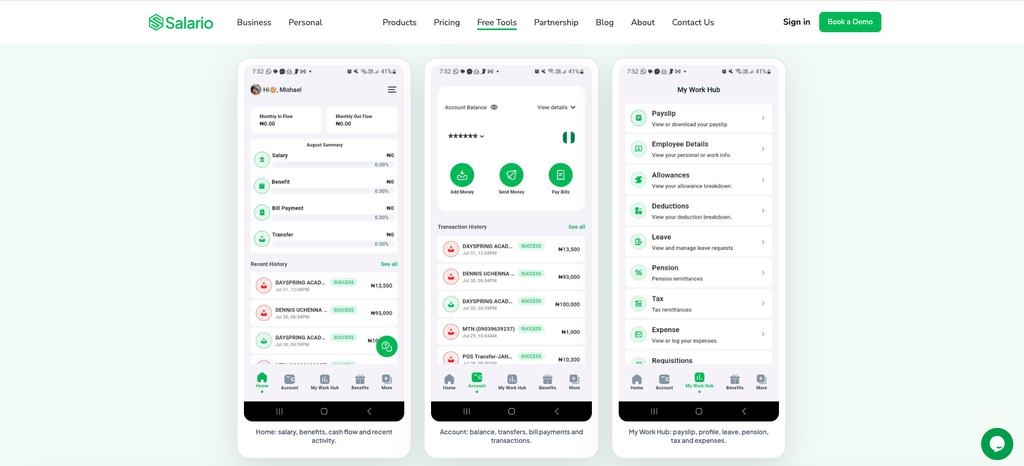
Employees access payslips, request advances, and manage wallet details through an intuitive portal. This self-service capability reduces the administrative load on HR teams while giving workers greater visibility and control over their compensation. It also promotes transparency and builds trust between employers and employees.
Integrations
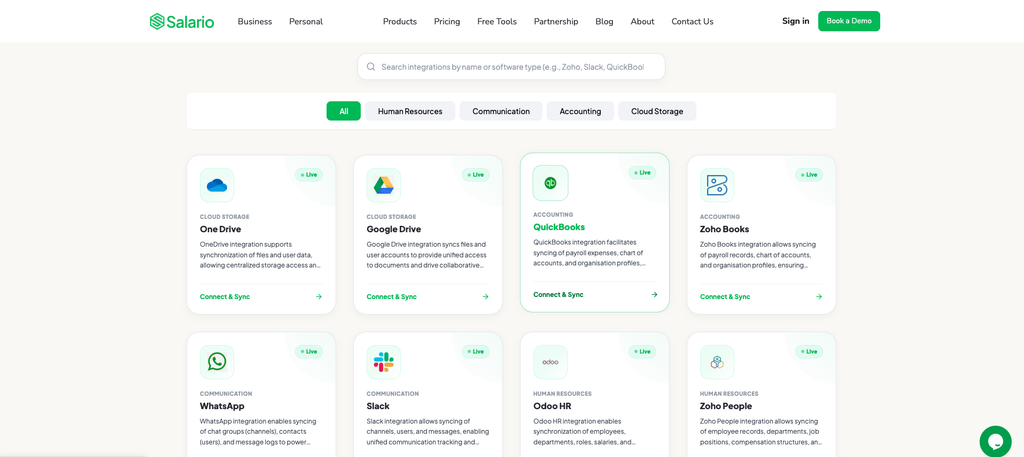
Salario connects smoothly with accounting and HR tools, ensuring stablecoin payroll fits into existing workflows. Whether you use Zoho Books, Odoo, or other popular systems, data flows seamlessly without manual reconciliation. This integration minimizes errors and keeps all financial records aligned.
Scalability
Salario starts simple and grows with your business, supporting both local and cross-border teams without disruption. As your workforce expands or your payroll needs become more complex, the platform scales effortlessly, allowing you to maintain efficiency and compliance at every stage of growth.
Conclusion
Stablecoin payroll in Africa solves long-standing pain points around speed, cost, volatility, and accessibility while introducing manageable risks that can be addressed with the right platform and careful implementation. For businesses ready to modernize how they pay their teams, stablecoins represent a practical step forward. Salario is the practical, compliant bridge for businesses ready to adopt stablecoin payroll in Africa. It combines payroll automation, local compliance, employee self-service, integrations, and scalability in one solution. Book a demo with our team today to see how Salario can help you implement stablecoin payroll in Africa. With Salario, the future of payroll in Africa is stable, instant, and borderless!