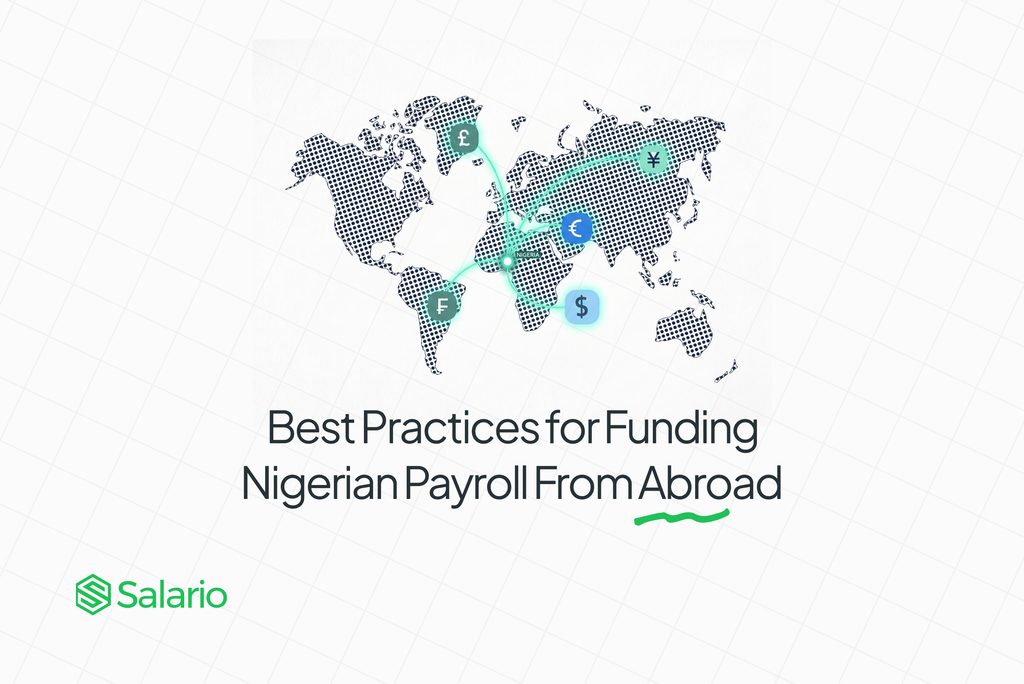
Funding Nigerian payroll from abroad is one of the most operationally demanding issues a global employer will face. Nigeria stands as Africa’s largest economy and remains home to some of the continent’s most skilled and ambitious talent. This reality creates a constant need to fund Nigerian payroll from abroad for diaspora founders, remote business owners, and international companies operating in the country.
The process involves navigating currency volatility, complex banking regulations, transfer delays, and compliance requirements, all while ensuring employees receive their salaries on time. In this article, we explore the major challenges involved and share proven best practices that can make funding Nigerian payroll from abroad smoother, and more efficient. Let’s dive in!
Why Funding Nigerian Payroll from Abroad Is Challenging
Funding Nigerian payroll from abroad presents a unique set of difficulties that can test even the most experienced business owners. Distance creates a significant gap in visibility and control, while economic factors such as currency fluctuations and strict foreign exchange rules add layers of complexity. Many diaspora founders find themselves caught between the need to support growing teams in Nigeria and the practical hurdles of moving funds across borders reliably.
These challenges often lead to delayed salaries, unexpected costs, compliance risks, and unnecessary stress. Understanding these pain points is essential before adopting better strategies. Below are some of the most common challenges businesses encounter when funding Nigerian payroll from abroad.
Naira Volatility and Foreign Exchange Risk

The constant fluctuation of the naira against major currencies like the US dollar creates uncertainty when funding Nigerian payroll from abroad. Business owners may prepare funds in dollars only to discover by the time the money reaches Nigeria, exchange rate movements have significantly increased the actual cost. This volatility makes budgeting difficult and can erode profit margins over time.
Without proper hedging or timing strategies, companies risk either overpaying salaries or facing shortfalls that affect cash flow. This is often the most stressful aspect of managing business operations in Nigeria for most diaspora founders, as it turns a routine payroll process into an unpredictable financial exercise that demands constant attention.
Banking Delays and International Transfer Restrictions
International transfers to Nigerian banks often face multiple layers of scrutiny, documentation requirements, and processing delays. Regulatory policies from the Central Bank of Nigeria, combined with correspondent banking relationships, can cause funds to take several business days or even longer to clear. Time zone differences further complicate the situation because urgent issues arise when the owner abroad is asleep.
These delays not only affect employee morale but can also lead to penalties or operational disruption. For businesses funding Nigerian payroll from abroad, unreliable transfer timelines make it difficult to maintain consistency and can damage trust with local teams who expect timely payment.
High Remittance Fees and Hidden Costs
Traditional banking channels and money transfer operators often charge substantial fees, including transfer charges, currency conversion spreads, and intermediary bank costs. These expenses accumulate quickly, especially with monthly payroll cycles, and significantly increase the total cost of employing staff in Nigeria. Many business owners only realize a true cost after several months of operations.
Hidden charges and unfavorable exchange rates can quietly drain resources that could otherwise support business growth or competitive compensation packages for employees. Finding cost effective ways to move money while maintaining reliability remains a major challenge for diaspora founders funding Nigerian payroll from abroad.
Compliance and Regulatory Complexity

Nigeria has strict rules governing inbound remittances, taxation, and foreign currency inflows. Business owners must ensure that every transfer complies with local laws to avoid frozen funds, audits, or penalties. Requirements around documentation, purpose of transfer, and tax obligations add administrative burden, particularly for those managing operations remotely. Failure to stay updated with changing regulations can create serious legal risks.
This complexity often forces diaspora founders to rely heavily on local accountants or partners, reducing their sense of control over the payroll funding process.
Limited Visibility and Reconciliation Difficulties
When funding Nigerian payroll from abroad, many business owners struggle with limited real time visibility into when funds arrive, how they are converted, and whether they have been allocated correctly. Manual reconciliation between international transfers and local payroll records is time consuming and prone to errors.
This lack of transparency makes it hard to spot discrepancies, early and maintain accurate financial records. Without proper tools, remote business owners often spend excessive time chasing updates from local teams instead of focusing on strategic growth.
Best Practices for Funding Nigerian Payroll From Abroad
Maintains a Multi-Currency Strategy

A smart multi-currency approach involves holding funds in stable currencies such as USD while timing conversions strategically to take advantage of favorable rates. This strategy helps protect against sudden naira depreciation and provides flexibility in how and when the money is moved into Nigeria. Business owners should work with financial advisors to establish clear guidelines for when to convert funds and maintain appropriate reserves in different currencies.
A well executed multi-currency strategy reduces volatility exposure and gives remote business owners greater confidence when funding Nigerian payroll from abroad on a consistent basis.
Leverage on Stablecoin Payroll

Stablecoins offer increasingly viable options for payroll funding, especially for international contractors or as a bridge between global accounts and local disbursement. When used thoughtfully, they provide faster settlement times and reduced exposure to traditional banking delays. Businesses should evaluate which parts of their payroll are suitable for stablecoin transfers and ensure proper compliance measures are in place.
This approach combined the benefits of digital speed with the stability needed for reliable salary payments, making it a valuable tool for those funding Nigerian payroll from abroad.
Build Strong Banking and Payment Partnerships
Establishing relationships with reputable banks and specialized payment providers that understand cross border flows into Nigeria is crucial. Look for partners with strong local presence, favourable rates, and reliable service. These partnerships often provide better exchange rates, faster processing, and dedicated support.
Regular communication with your banking partners helps anticipate potential issues and access priority services. Strong relationships significantly improve the experience of funding Nigerian payroll from abroad by reducing friction and unexpected problems.
Automate and Schedule Transfers Predictably
Automation brings consistency and reduces human error in the payroll funding process. Set up recurring transfers with clear schedules that align with your payroll calendar in Nigeria. Automation tools can handle notifications, approvals, and basic reconciliation steps. Predictable scheduling helps local teams plan better and reduces last minute stress.
When combined with proper oversight, automation allows remote business owners to maintain control while freeing up valuable time previously spent on manual fund movements.
Prioritize Compliance and Documentation
Maintain meticulous records for every transfer, including purpose statements, supporting invoices, and tax documentation. Stay updated with current Central Bank of Nigeria regulations and work with compliance experts when necessary. Clear documentation protects the business during audits and speeds up approval processes. Making compliance a core part of your funding strategy prevents costly disruptions and demonstrates good governance to both regulators and employees.
Ensure Real Time Visibility and Reconciliation
Implement systems that provides clear visibility into the status of transfers from the moment they leave your foreign account until they reach local payroll accounts. Automated reconciliation tools that match international transfers with local disbursements save significant time and reduce errors. Real time dashboards allow remote business owners to monitor cash flow and quickly address any discrepancies. This level of visibility is essential for maintaining confidence when funding Nigerian payroll from abroad.
Choose the Right Platform
Selecting a dedicated payroll platform designed for the Nigerian market can significantly improve the entire payroll funding process. The best solutions offer integrated payment options, compliance support, automation, and real time reporting. A good platform acts as a central hub that connects your international funding activities with local payroll execution. This choice reduces reliance on multiple disconnected systems and provides the control and transparency many diaspora founders desperately need.
How Salario Simplifies Funding Nigerian Payroll From Abroad

Salario makes funding Nigerian payroll from abroad significantly easier and more reliable. Here are some of the ways it simplifies it:
Centralized Funding Dashboard
Salario provides a single intuitive dashboard where you can view all your funding activities, upcoming transfers, and cash flow positions in real time. This centralized view eliminates the need to chase multiple bank statements or local reports, giving remote business and owners complete oversight no matter where they are located.
Automated Processes
Salario automates transfers with intelligent scheduling that aligns perfectly with your Nigerian payroll calendar. Automation reduces manual errors and ensures salaries are funded consistently and on time, freeing you from the monthly stress of manual wire instructions.
Deep Local Compliance and Documentation Tools
Salario handles critical compliance requirements automatically and generates all necessary documentation for regulatory purposes. This feature minimizes legal risks and saves countless hours that could otherwise be spent on manual paperwork and follow ups with banks or local teams.
Multiple Funding Options Including Stablecoins
Salario supports various funding methods including traditional bank transfers and actively working on stablecoin payroll integration. This flexibility allows you to choose the most efficient and cost-effective option for each payroll cycle while maintaining full compliance and security.
Real Time Visibility and Smart Alerts
You receive instant notifications for successful transfers, potential delays, or required actions. This proactive monitoring helps you address issues immediately and maintains smooth coordination between your international accounts and local payroll execution.
Conclusion
Funding Nigerian payroll from abroad does not have to be a constant source of stress and uncertainty. By understanding the key challenges and implementing these best practices, you can create a reliable, efficient, and compliant process that supports your team and your business goals. Salario stands ready as a trusted partner that brings together payroll automation, deep local compliance, visibility, and modern payment options all in one platform. Take control of your payroll today. Book a demo with out team today to discover how we can help you fund Nigerian payroll from abroad with greater confidence, lower costs, and complete peace of mind!