
Poor asset tracking is one of the quietest ways a growing business loses money. It does not show up as a single, dramatic loss. It shows up in small gaps: a laptop nobody can find, a generator that breaks down without warning, a purchase that duplicates an item already sitting in storage. On their own, these gaps look minor. Added together, they drain revenue month after month. For Nigerian SMEs juggling naira volatility, Lagos traffic, and tight margins, this kind of silent loss is a risk few businesses can afford. Many founders only notice the pattern once cash flow tightens and nobody can explain exactly where the money went. This article breaks down how poor asset tracking hurts your bottom line, why it is so easy to miss, and what you can do to fix it before it eats further into your revenue.
What Is Asset Tracking

Asset tracking is the process of recording, monitoring, and managing the equipment, tools, vehicles, and devices a business owns. It covers where an asset is, who is using it, its condition, and its maintenance history. A well-run system tells you, at any moment, exactly what the business has, where it sits, and whether it still works. Done well, asset tracking gives you a clear, real-time picture of everything your business owns, from office laptops to delivery vans to warehouse machinery. Done poorly, or not at all, it leaves you guessing, relying on memory, outdated spreadsheets, or whoever last touched the item. That guesswork is where the real cost begins, because you cannot manage, protect, or budget for what you cannot see.
How Poor Asset Tracking Bleeds Revenue From Your Business
Poor asset tracking rarely announces itself. It builds up quietly through downtime, theft, wasted spending, and bad decisions, until the losses are too large to ignore.
Downtime and Lost Productivity
When you do not know the condition of your equipment, you cannot predict when it will fail. A delivery van breaks down mid-route because nobody logged that its brakes were overdue for a check. A generator stops working during a power cut, halting operations at the worst possible time. Industry reports put the average cost of unplanned downtime at roughly $260,000 per hour across manufacturing and logistics businesses. Few Nigerian SMEs operate at that scale, but the principle holds at any size: every hour your team waits on broken or missing equipment is an hour you are not serving customers, shipping orders, or generating revenue. Over a year, these small stretches of downtime add up to real, measurable losses that rarely appear as a single line item anywhere in your books.
Theft, Fraud, and Unaccounted Losses
Without a clear record of what you own, it becomes easy for assets to disappear and hard to notice when they do. Laptops go missing between offices. Inventory shrinks without explanation. Fuel gets logged for a trip that never happened. Office equipment leaves with a departing employee and nobody thinks to ask for it back. In Nigeria, this problem runs deep. The Centre for the Promotion of Private Enterprise estimates that Nigerian MSMEs lose up to N10 trillion annually to employee fraud and internal corruption, much of it tied to unmonitored cash, inventory, and assets. Weak internal controls and poor documentation make this kind of loss almost invisible until an audit or a change in leadership forces the numbers into the open, by which point the money is already gone.
Duplicate Purchases and Wasted Capital

Poor asset tracking often pushes business owners to buy things they already have. If nobody can confirm whether a spare printer or an extra set of tools exists in storage, the safer choice feels like ordering a new one rather than risking a delay while someone searches for it. This happens more often than most owners realize, and it quietly ties up capital that could go toward growth, payroll, or stock. Teqtivity research puts the cost of poor inventory tracking at an average of 11% of annual revenue, a figure that should worry any founder managing a tight budget. Idle, forgotten assets sitting in a corner or a storeroom are money that already left your account and is not working for you.
Inaccurate Financial Records and Poor Decisions
Assets affect your balance sheet through depreciation, valuation, and cost tracking. When your asset records are wrong or outdated, your financial statements are wrong too. This can lead to overstated asset values, missed write-offs, and budgets built on inaccurate assumptions about what the business actually owns and what it is worth. For a founder trying to raise funding, apply for a loan, or simply understand whether the business is profitable, this kind of inaccuracy can lead to decisions that make a shaky situation worse. A lender or investor reviewing weak asset records may also read it as a sign of poor internal discipline, which can affect how much trust they place in the rest of your numbers. Poor asset tracking does not just cost money directly. It corrupts the information you use to run the business, one report at a time.
How to Fix Poor Asset Tracking Before It Costs You More
Fixing poor asset tracking does not require an expensive overhaul. It requires structure, consistency, and the right tools, applied steadily rather than all at once.
Build a Real-Time Asset Register
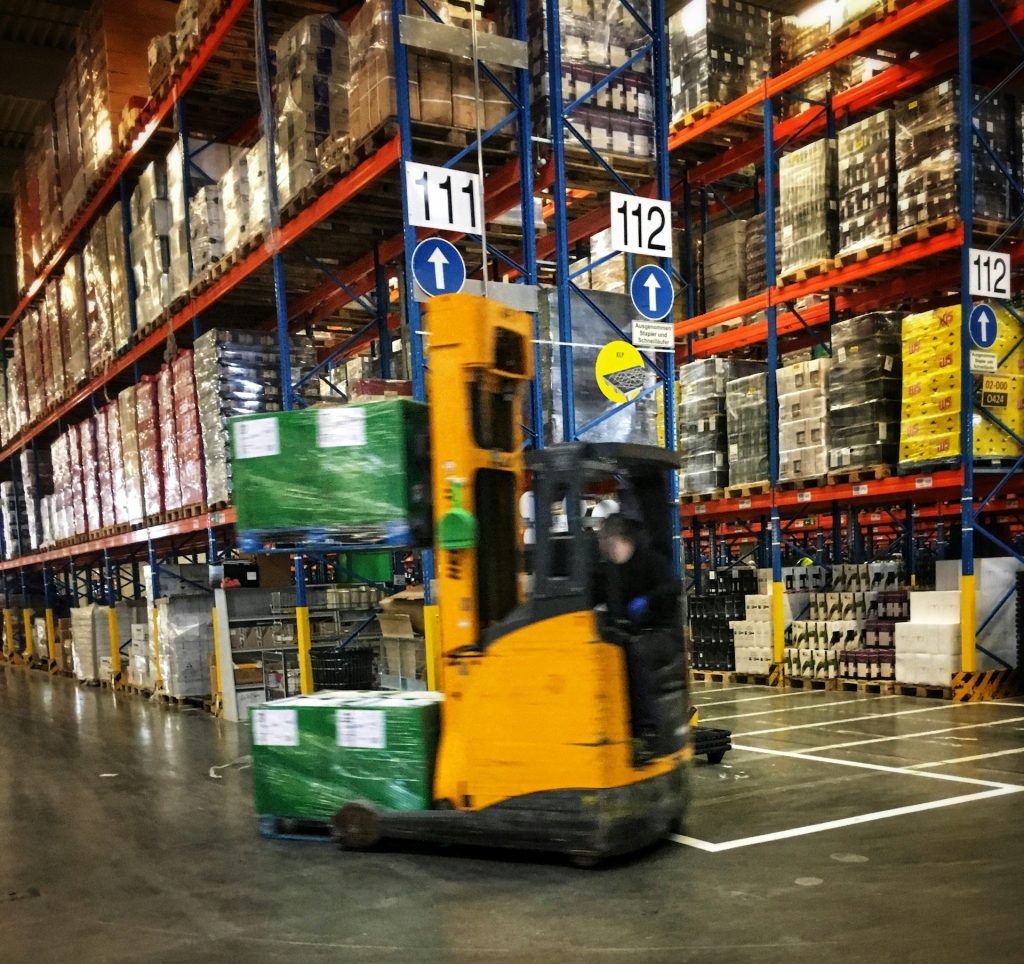
Start with a single, accurate record of everything the business owns: what it is, where it is, who is responsible for it, and its current condition. Update this record every time an asset moves, breaks down, gets repaired, or gets retired. A spreadsheet can work for a small team just getting started, but it quickly falls apart as headcount and asset count grow, especially once multiple people are updating it from different locations. The goal is one source of truth that everyone trusts, not three different files with three different versions of reality.
Assign Ownership and Accountability
Every asset should have a named person responsible for it. When equipment or devices are tied to specific employees, misuse and unexplained loss drop sharply because there is always someone to ask when something goes missing. This also makes it easier to recover assets when staff leave the business, which is a common blind spot for growing Nigerian companies managing remote or hybrid teams across different states or time zones. A clear handover process at offboarding, tied to your HR records, closes one of the most common gaps in asset tracking.
Automate Where Manual Tracking Fails
Spreadsheets and paper logs cannot scale with a growing business, and they are the reason most asset tracking breaks down in the first place. Platforms like Salario automate the record-keeping side of HR and payroll operations, giving business owners a self-service system where employee-linked assets, approvals, and records stay accurate without constant manual updates. When your HR and payroll data are reliable, tracking who has what and holding them accountable for it becomes far easier.
Poor asset tracking is expensive precisely because it hides in plain sight, showing up as downtime, theft, wasted purchases, and bad financial data rather than one obvious loss. The fix is not complicated: a clear asset register, named accountability, and systems that remove the guesswork. Salario helps Nigerian businesses build that kind of reliable, self-service infrastructure for their people and payroll operations. Book a free demo with Salario today and see how automated, accurate records can stop revenue from quietly slipping through the cracks. When your systems tell the truth about what you own, your decisions get better too.