
Across Nigeria, countless SMEs still rely on paper attendance registers, manual payroll spreadsheets, and guesswork when making workforce decisions. According to payroll industry research, 51% of small businesses globally still use spreadsheets, while 19% rely on outdated manual or paper processes. The result? An average of 15 errors per payroll period, hours wasted on data entry, and zero visibility into the patterns that actually drive productivity. The solution isn’t complicated: digitize payroll and attendance, link them in one system, and let the patterns guide smarter decisions. Platforms like Salario make this transformation effortless, turning administrative chaos into strategic advantage.
What Does “Payroll and Attendance Data” Really Mean?
Before HR can use data to boost productivity, understanding exactly what payroll and attendance data includes is essential. These aren’t just numbers on spreadsheets, they’re rich information sources that reveal how your workforce operates.
Payroll Data
Payroll data encompasses far more than salary amounts. It includes gross pay, allowances like housing and transport, statutory deductions for PAYE, pension contributions at 18%, NHF at 2.5%, bonuses, overtime payments, leave accruals, and payment timing. Each element tells a story about employee compensation, company spending patterns, and workforce structure.
When digitized, payroll data shows trends like rising overtime costs in specific departments, compensation compression as new hires earn close to veteran employees, seasonal salary fluctuations tied to performance bonuses, or departments consistently exceeding labor budgets. For Nigerian SMEs, it also captures compliance health and reveals gaps that create dissatisfaction or legal risk.
Attendance Data
Attendance data tracks when employees work, how often they’re present, and patterns in their availability. This includes clock-in and clock-out times, total hours worked, late arrivals, absences categorized as sick leave, annual leave, or unauthorized, leave patterns, and overtime frequency.
For Nigerian businesses where informal work culture sometimes masks attendance issues, digitized data brings transparency. It reveals which teams consistently arrive late, which departments burn excessive overtime, and which employees use sick days suspiciously close to weekends.
When payroll and attendance data are linked in one integrated system like Salario, powerful patterns emerge. You can see that employees who work excessive overtime have declining productivity in subsequent weeks, that departments with flexible schedules show higher engagement, that salary delays correlate with immediate spikes in absenteeism, or that top performers consistently arrive early. These connections transform raw data into actionable intelligence.
How Can Human Resource Managers Use the Data to Boost Productivity?

Once payroll and attendance data are captured and connected, HR managers gain powerful tools to enhance workforce productivity. Research shows that HR analytics positively impacts job satisfaction, engagement, and performance. Here’s how Nigerian SMEs can leverage their data practically.
Identify productivity patterns and outliers. Attendance data reveals which employees and teams maintain consistent presence versus those with frequent absences. By flagging teams with absenteeism rates above company averages, HR can investigate root causes before productivity collapses. Maybe a specific manager creates toxic conditions, or a department lacks resources. Data makes invisible problems visible.
Optimize compensation for performance. Payroll data shows who earns what relative to their output. By linking compensation with performance metrics, HR identifies underpaid top performers creating flight risk, or employees whose compensation exceeds their productivity. Nigerian SMEs operating on tight margins can’t afford to pay incorrectly.
Reduce overtime costs strategically. Overtime data reveals whether excess hours stem from genuine business needs or poor resource allocation. If one department consistently burns overtime while another sits idle, workload rebalancing could save thousands monthly.
Predict and prevent turnover. Combined data can predict which employees are at risk of leaving. Patterns like declining performance, increased absences, and stagnant compensation often precede resignations. Identifying these signals early allows HR to intervene before valuable talent walks out. Given that replacing an employee costs between 50% to 200% of annual salary, retention pays massive dividends.
Improve workforce planning and budgeting. Historical payroll data shows seasonal hiring patterns, salary inflation trends, and department-specific labor costs. This enables accurate budget forecasting and proactive hiring.
Enhance engagement and morale. Attendance patterns reveal work-life balance issues. Employees who never use leave or show erratic attendance might be burning out. HR can mandate leave usage, redistribute workloads, or implement flexible schedules based on what data shows actually works.
The key insight is that data transforms HR from reactive administration into proactive strategy. Instead of guessing why productivity dropped, data shows exactly which factors correlate with performance changes.
What Practical Steps Can Nigerian SMEs Take?
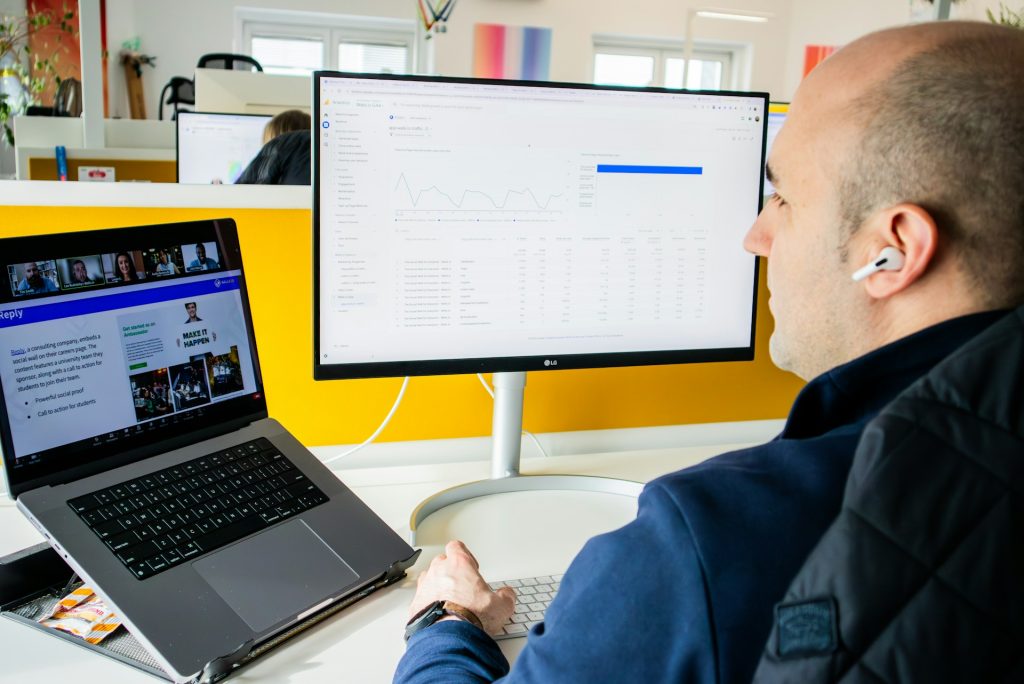
Step 1: Digitize immediately. Stop using paper registers and spreadsheets. Adopt an integrated platform like Salario that captures attendance and payroll data automatically in one system.
Step 2: Define productivity metrics. Clarify what productivity means for your business, whether billable hours, sales per staff, or output per labor hour.
Step 3: Set up basic tracking. Configure your system to track attendance rates by team, overtime hours and costs, leave utilization, and turnover rates. Salario’s dashboard provides these analytics automatically.
Step 4: Establish baselines. Document current performance before making changes so you can measure improvement objectively.
Step 5: Analyze patterns monthly. Don’t wait for year-end reviews. Monthly analysis catches problems early when they’re still fixable.
Step 6: Act on insights. If data shows a department has excessive turnover, conduct stay interviews. If overtime costs are crushing margins, redistribute work or hire temporary support.
Step 7: Measure impact. After implementing changes, track whether the data improves. Did turnover decrease? Did productivity increase?
Step 8: Train managers. Share reports with department managers so they can improve their own teams using data.
Step 9: Protect privacy. Communicate transparently about what data you’re collecting and how it will be used to improve workplace conditions.
Step 10: Continuously refine. Regularly review which metrics drive the most value and adjust your tracking accordingly.
What Should HR Not Do With Payroll and Attendance Data?
Avoid purely punitive actions without context. Data showing late arrivals doesn’t tell the whole story. Before disciplinary action, have conversations to understand context, then use data to find solutions like flexible hours.
Never use data for surveillance that breeds distrust. Monitoring every minute of employee activity turns workplaces toxic. Productivity comes from engagement and trust, not fear of constant monitoring.
Don’t ignore privacy obligations. Nigeria’s data protection regulations require businesses to handle employee information responsibly. Secure it properly, limit access to authorized personnel, and comply with Nigeria Data Protection Commission requirements.
Avoid making decisions based on poor-quality data. Before acting on insights, verify data accuracy. Invest in systems like Salario that ensure data quality automatically.
Don’t compare employees unfairly. Comparing attendance of office workers with field staff makes no sense. Context matters. Segment your analysis appropriately to avoid unjust comparisons.
Never use data to justify pre-determined outcomes. Data should inform decisions, not rationalize decisions already made. Let data guide you objectively.
Avoid hoarding insights. If data shows company-wide patterns, share appropriate insights with teams. Transparency builds trust.
Use payroll and attendance data to understand, support, and improve, never to punish, surveil, or manipulate. When employees trust that data serves everyone’s interests, they engage with the process.
Conclusion
Payroll and attendance data transform Nigerian SMEs from reactive crisis management to proactive productivity optimization. Businesses using automated systems report 70% fewer compliance issues and 31% fewer errors, while manual processes average 15 errors per payroll period. The difference between data-driven and data-blind HR isn’t marginal, it’s the difference between sustainable growth and constant firefighting.
Salario makes this transformation effortless for Nigerian businesses. Our platform automatically captures payroll and attendance data in one integrated system, generates productivity analytics through intuitive dashboards, ensures compliance with Nigerian regulations, provides self-service portals that build transparency, and scales seamlessly as your business grows.
Ready to stop guessing and start knowing what drives productivity in your business? Book a free demo with Salario today and see how payroll and attendance data can transform your workforce management. When you have the right data connected in the right system, productivity improvements become inevitable.