In Nigeria’s challenging economic environment, many business owners and SMEs struggle to keep their teams financially stable. Employees often face financial difficulties like unexpected bills, or family emergencies before payday. Salary advances and earned wage access in Nigeria have emerged as popular solutions to bridge these gaps. Salary advances allow employees to borrow against future earnings, while earned wage access lets them access money they’ve already earned without creating debt.
These options can ease financial pressure, but they require careful handling. Without proper structure, they can lead to misunderstandings, compliance issues, or unintended financial strain. That’s why more employers are exploring how to implement them responsibly. This article explores the benefits and risks of salary advances and earned wage access in Nigeria, and guides business owners on creating effective salary advance policies for employers. Let’s dive in!
What is Salary Advance and Earned Wage Access?
Salary advance is a short-term loan from the employer, allowing employees to receive part of their future salary early. It is typically repaid through payroll deductions over a set period, often with or without interest depending on the company’s policy. Earned wage access, sometimes called on-demand pay, lets employees access wages they have already earned but have not yet been paid. Unlike traditional loans, earned wage access does not create debt, employees simply withdraw money they’ve already worked for.
The employer then deducts the amount from the next payroll. Both options aim to address immediate cash flow needs, but they differ in structure and impact. Salary advances involve borrowing, while earned wage access in Nigeria is based on earned but unpaid wages. Employers must choose the approach that best fits their team and complies with local regulations.
Benefits of Salary Advance and Earned Wage Access in Nigeria
Both salary advances and earned wage access in Nigeria can support employees and strengthen businesses when implemented thoughtfully. Here are the key benefits:
Benefits for Employers
Improves Retention
Offering early access to earned pay shows employees the company cares about their wellbeing. When financial stress is reduced, people feel valued and are more likely to stay longer, reducing the need for frequent hiring.

Boosts Productivity
Employees who aren’t worried about urgent bills can focus better on their work. Less financial distraction means higher output and fewer absences caused by personal emergencies.
Enhances Reputation
A supportive payroll policy makes your business stand out as a caring employer. Word spreads quickly in Nigeria’s tight-knit professional circles, helping you attract talents and clients.
Attracts Talent
Competitive benefits like salary advances or earned wage access appeal to job seekers, especially in a market where many people face cash flow challenges. It positions your company as forward-thinking and employee-focused.
Benefits for Employees
Reduces Financial Stress
Access to earned wages helps employees cover unexpected costs without borrowing from high-interest lenders or family. This reduces anxiety and improves focus at work.
Provides Flexibility
Employees can manage their cash flow on their terms, aligning payments with their personal needs instead of waiting for the fixed payday.
Supports Well-being During Economic Pressures
In times of inflation or rising living costs, early access to wages helps maintain stability and reduces the need for expensive loans or credit.
Improves Cash Flow
Employees gain control over their earnings, making it easier to plan for bills, emergencies, or savings without waiting for the end of the month.
Risks and Challenges of Salary Advance and Earned Wage Access
While beneficial, salary advances and earned wage access in Nigeria can create problems if not managed properly. Here are the main risks and challenges.
Debt Cycles
Salary advances can trap employees in repeated borrowing, especially if repayments are high or interest is added. Employees may end up in a cycle of debt that affects their financial health and work focus.
Compliance Violations
Incorrect deductions or unclear repayment terms can breach the Nigerian Labour Act or tax rules. This risks fines, legal disputes, or employees claiming unfair treatment.
Administrative Burden

Manual tracking of advances, repayments, and approvals creates extra work for HR or owners. Without clear systems, errors, delays, and confusion become common.
Fraud Risks
Employees might submit false claims or overstate expenses. Without verification or controls, fraudulent advances can drain company funds.
Cash Flow Strain
Salary advances tie up company money before the next payroll cycle. For tight-budget SMEs, this can create liquidity issues, especially during slow periods.
These risks highlight the need for clear policies and reliable systems to ensure salary advances and earned wage access in Nigeria benefit both employees and the business.
Building Effective Salary Advance Policies for Employers
Strong salary advance policies for employers protect the business and support employees. Here are key considerations to create policies that work well:
Define Eligibility and Limits
Decide who qualifies (e.g., employees with 6+ months tenure) and set maximum amounts (e.g., 50% of monthly salary). Clear limits prevent over-borrowing and protect cash flow.
Set Clear Repayment Terms
Specify how advances are repaid (e.g., equal deductions over 3 months) and whether interest applies. Define consequences for non-repayment, such as limiting future advances.
Require Documentation
Ask for a written request and proof of need (e.g., medical bill). This ensures advances are legitimate and creates a record for audits.
Integrate with Payroll
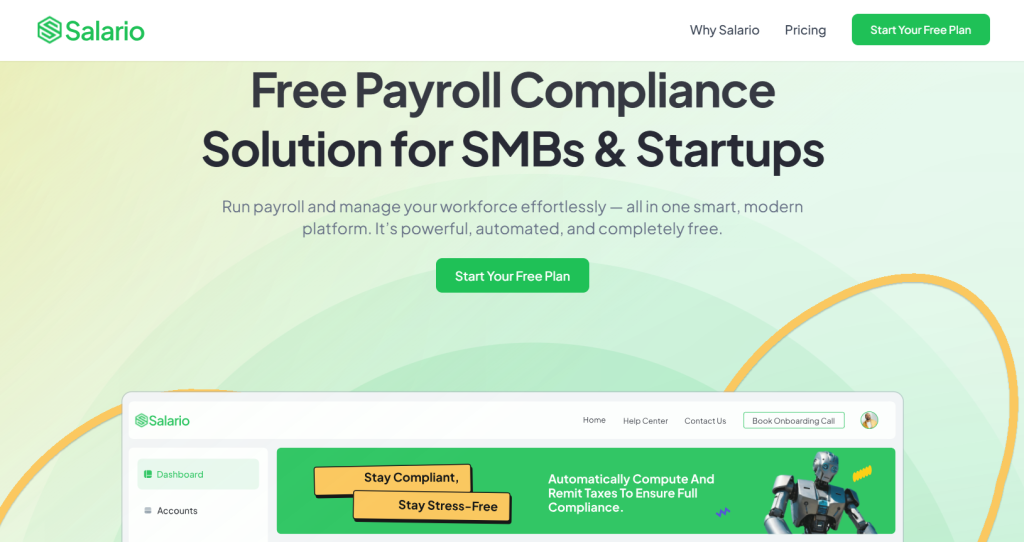
Link advances to the payroll platforms like Salario, so deductions happen automatically. This reduces admin work and prevents missed repayments.
Communicate Transparently
Share the policy clearly with all employees and explain how it works. Transparency prevents misunderstandings and builds trust.
Monitor and Review
Track usage patterns and review the policy regularly. Adjust limits or terms if advances become too frequent or cause financial strain.
Effective salary advance policies for employers balance support with protection, ensuring advances help employees without creating long-term problems.
How Salario Helps with Earned Wage Access and Salary Advances
Salario is the ideal platform for Nigerian businesses looking to implement salary advances and earned wage access in Nigeria safely and efficiently.
Payroll Automation
Salario automates the entire payroll process, including salary advances and earned wage access. It calculates deductions automatically and processes repayments seamlessly, eliminating manual work and reducing errors.

Deep Local Compliance
Salario is built for Nigeria’s specific regulations, automatically handling state PAYE, NHF, pensions, NSITF, and ITF. It ensures every advance or earned wage access transaction complies with local laws, reducing the risk of penalties.
Employee Self-Service Portal
Employees can request advances or access earned wages through Salario’s secure portal. They view their balance, submit requests, and track repayments, reducing HR workload and building transparency.
Integrations
Salario integrates with CreditChek for secure credit verification. This helps prevent fraud by confirming eligibility and affordability before approving advances, protecting both employees and the business.
Conclusion
Salary advances and earned wage access in Nigeria can support employees and strengthen businesses when handled properly. They reduce financial stress, improve morale, and help retain talent, but only with clear policies and reliable systems. Poor implementation risks debt cycles, compliance issues, and admin overload. For Nigerian SMEs looking to implement salary advances and earned wage access safely, Salario is your best bet. It offers seamless payroll automation, deep local compliance, employee self-service portals, integrations with platforms like CreditChek. An all-in-one solution designed for Nigerian businesses. Book a demo with our team today to see how Salario can help you streamline payroll, ensure compliance, and boost employee satisfaction!