
Employee departures are inevitable, but a poorly managed offboarding process exposes your business to risks like legal disputes, data breaches, or lost productivity. In Nigeria, offboarding mistakes can lead to Labour Act violations, FIRS queries over final pay, or loss of intellectual property, all of which are costly for SMEs. A structured, professional employee offboarding process protects your business, preserves relationships, and ensures compliance.
Offboarding done right protects intellectual property, ensures compliance with Labour Act requirements, and maintains positive relationships for future references or rehires. This guide covers why employee offboarding process matters, key risks of poor offboarding, a step-by-step process to help you offboard employees smoothly, best practices to strengthen it, and how Salario makes the entire process secure and effortless. Let’s dive in!
Why Offboarding Process Matters for Nigerian Businesses
Employee offboarding process is more than an exit. It is the final impression you leave and the last chance to protect your business. A structured process safeguards your operations, reputation, and bottom line. Here are the key reasons it matters.
Safeguards Legal and Compliance Standing
A proper employee offboarding process ensures final salary, deductions, unused leave, and tax certificates meet Labour Act and FIRS standards. This avoids disputes, penalties, or Labour Court claims. Clear documentation and timely settlements keep your business legally protected and audit-ready.
Protects Sensitive Information
Revoking access to systems, emails, and files prevents unauthorized use of client data, trade secrets, or internal processes after the employee leaves. Secure employee offboarding process stops potential leaks that could harm your operations or reputation.
Preserves Positive Employee Relationships
Professional, respectful exits encourage good references, referrals, or even future rehires. Employees who leave on good terms are more likely to speak positively about your business, strengthening your employer brand in Nigeria’s connected professional networks.
Minimizes Knowledge and Productivity Loss
Structured handovers capture critical insights on tasks, clients, and processes before the employee departs. This keeps your team running smoothly without major disruptions or gaps in knowledge.
Reinforces Company Culture
A fair and organized offboarding shows remaining staff how the business treats people. It builds morale and trust among current employees, signaling that everyone is valued, even at the end of their journey.A strong offboarding process is a strategic asset. It protects your business and sets the tone for how you value people.
Key Risks of Poor Offboarding for Nigerian Businesses
Skipping or rushing the employee offboarding process invites avoidable dangers that can harm your business long after the employee is gone. Here are the main risks.
Compliance Violations
Incomplete final settlements, missing tax filings, or improper deductions can trigger FIRS audits or Labour Court claims. These violations lead to penalties and legal costs that disrupt cash flow.
Data Security Breaches

Forgotten access rights allow former employees to enter systems or access sensitive files. This risk leaks of client information, financial data, or trade secrets, damaging your operations and reputation.
Knowledge Loss
No proper handover means lost insights on processes, clients, or projects. Your team loses momentum, productivity drops, and you spend extra time rebuilding what was already known.
Reputation Damage
Unhappy or unprofessional exits spread negative word-of-mouth in Nigeria’s connected business networks. Poor offboarding can harm your employer brand, making it harder to attract talent or partners.
Financial Overruns
Errors in final pay, unused leave calculations, or disputed claims result in overpayments or legal battles. These costs add up quickly, especially for SMEs with tight budgets.
These risks highlight why a structured employee offboarding process is essential for protection and professionalism.
Step-by-Step Offboarding Process for Nigerian Businesses
A clear, documented employee offboarding process ensures offboarding is smooth, secure, and protective. Here is a step-by-step guide tailored for Nigerian SMEs.
Notify and Plan the Exit
Confirm the resignation or termination in writing and agree on the final working date. Inform relevant teams and begin planning the handover. This step sets the timeline and ensures everyone is aligned from the start.
Conduct Knowledge Transfer
Schedule structured handovers for ongoing tasks, client information, and key processes. Ask the departing employee to document critical procedures, contacts, and unfinished work. This preserves knowledge and keeps your team productive.
Revoke Access and Return Assets
Immediately disable system logins, email accounts, and any company tools. Collect laptops, phones, keys, IDs, and other company property. This prevents unauthorized access and protects sensitive data.
Process Final Payroll
Calculate the last salary, including any outstanding allowances, unused leave encashment, and deductions. Issue the final payslip and tax withholding certificate. Ensure all payments are completed accurately and on time to avoid disputes.
Complete Legal Documentation

Provide reference letters if requested and settle any outstanding claims per the Labour Act. Confirm all final payments and obligations are met. This step closes the employment relationship cleanly and legally.
Hold Exit Interview
Conduct a short, professional exit interview to gather feedback on the employee’s experience and suggestions for improvement. This information helps refine your HR practices and shows respect for the departing employee.
Update Records
Archive all relevant files securely and update team rosters, payroll systems, and access lists. This keeps your records compliant and organized for future audits or reference.
Following this step-by-step employee offboarding process for Nigerian businesses ensures protection, compliance, and professionalism at every exit.
Best Practices to Strengthen Your Employee Offboarding Process
Beyond the basics, these practices make employee offboarding process a strategic asset for protection and improvement.
Automate Where Possible

Use tools like Salario to automate final pay calculations, access revocations, and document generation. Automation reduces errors and saves time, especially for busy SMEs. It ensures consistency and compliance without manual effort.
Train HR Leads
Equip your HR or admin team with clear knowledge of Nigerian labour laws and offboarding steps. Training builds confidence and ensures every departure is handled correctly and professionally.
Focus on Positive Exits
Treat every departure respectfully, regardless of circumstances. Professional communication and fair final settlements leave a positive impression and preserve relationships for future references or rehires.
Review and Update Policies Regularly
Adapt your offboarding policy to any new regulatory changes or lessons learned from previous exits. Regular reviews keep your process current and effective.
Document Everything Thoroughly
Keep detailed records of every step, handover, communication, and final settlement. Thorough documentation is essential for audits, disputes, or future reference, and it demonstrates professionalism.
These best practices turn employee offboarding for Nigerian businesses from a potential liability into a smooth, trust-building process.
Salario’s Solution for Easy Employee Offboarding
Salario is built specifically for Nigerian businesses, making the employee offboarding process secure, fast, and compliant.
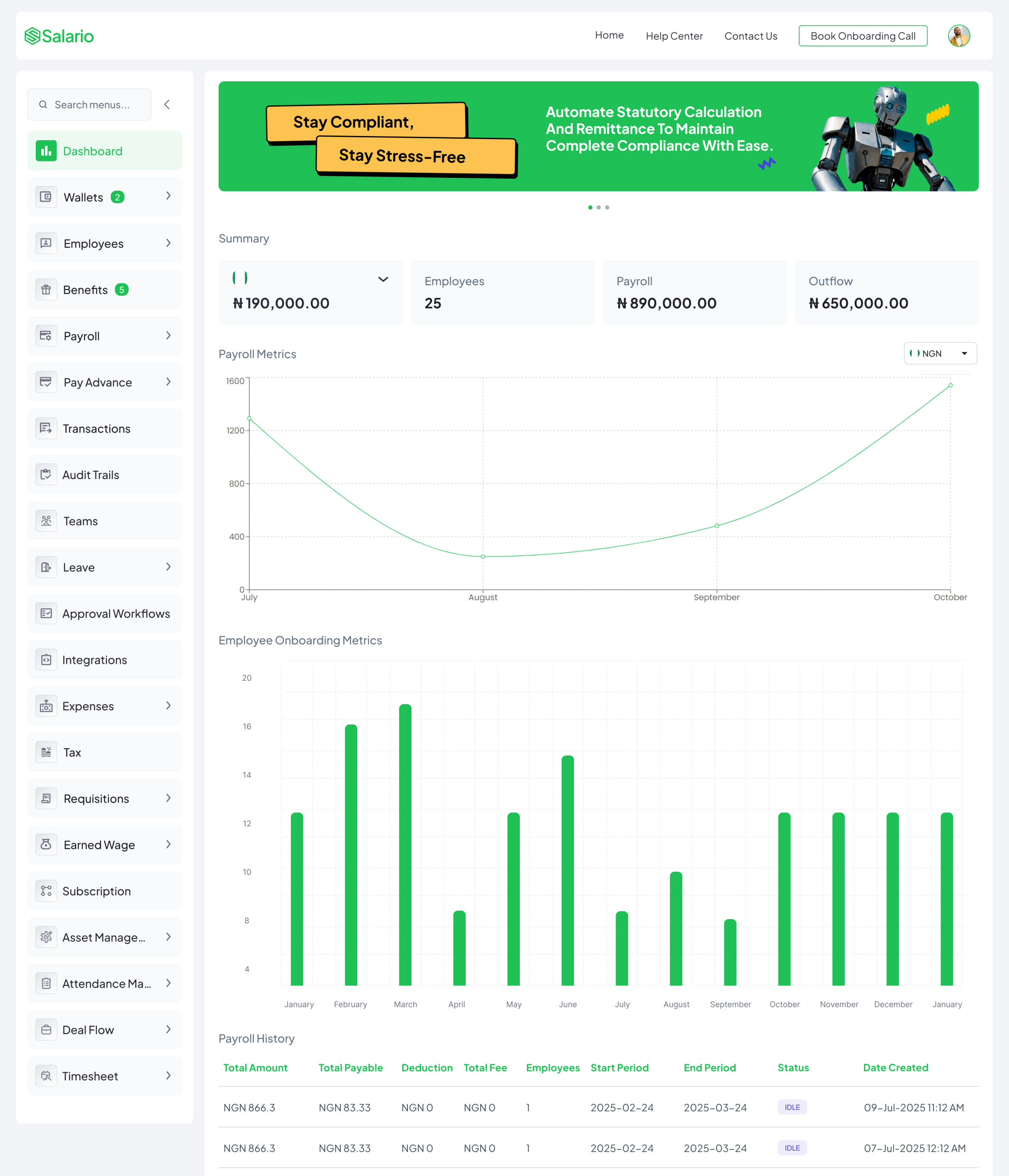
Payroll Automation
Salario automates the entire final payroll process, including calculations for last salary, unused leave encashment, deductions, and tax implications. It ensures accuracy every time with no manual work.
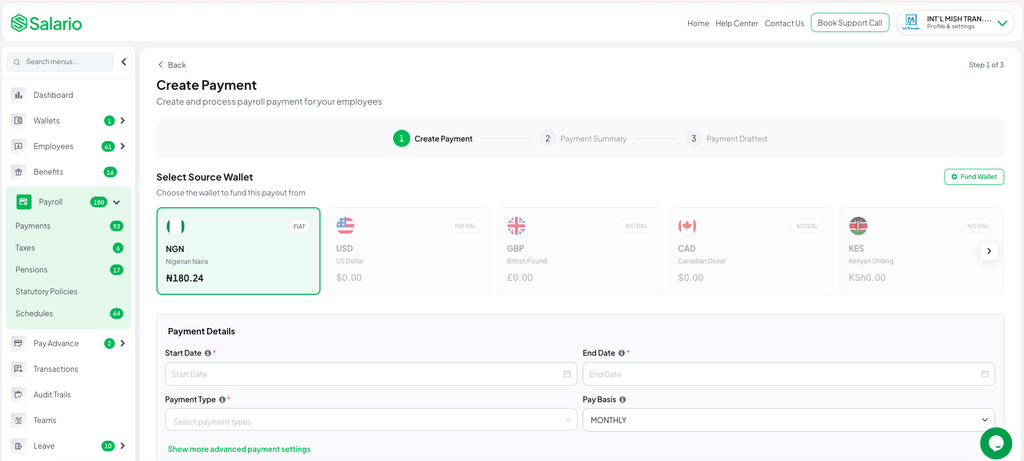
Easy Offboarding Workflow
Salario guides you through the full employee offboarding process in one place: access revocation, final settlement, certificate issuance, and record updates. Everything is streamlined and easy to manage.
Automatic Final Pay & Deductions
Salario calculates exact final salary, leave pay, and statutory deductions automatically. It handles PAYE, NHF, pensions, NSITF, and ITF correctly, so you avoid errors and compliance issues.
Employee Self-Service Portal
Employees can view their final payslip, download tax certificates, and confirm details themselves. This reduces HR workload and gives employees transparency and control during their exit.
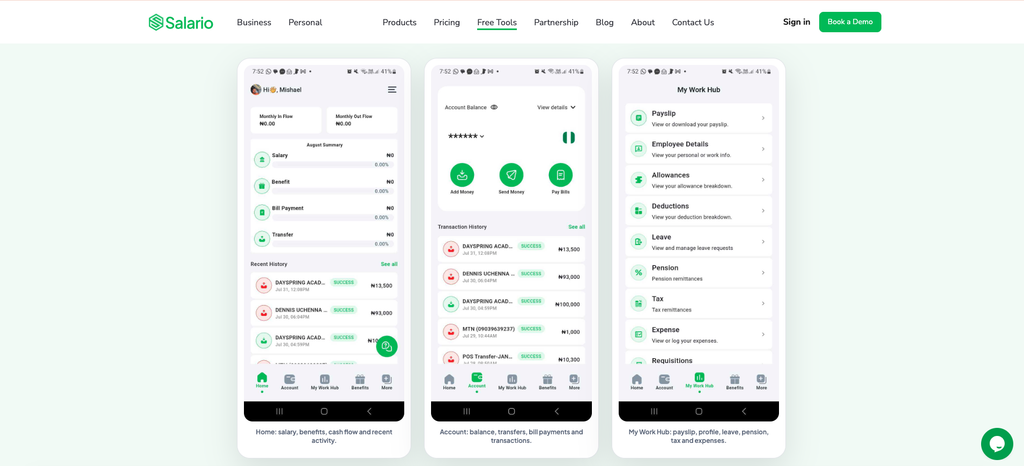
Full Compliance Assurance
Salario ensures all Labour Act and FIRS requirements are met automatically. Final payments and documentation are compliant, so you avoid legal risks and stay protected.
Integration & Remote Access
Salario connects with your accounting tools and lets you manage employee offboarding process from anywhere. The process is secure, efficient, and fully under your control. Salario simplifies employee offboarding for Nigerian businesses, ensuring every exit is professional, compliant, and trust-building.
Conclusion
A structured employee offboarding process protects your business at every exit. It safeguards compliance, secures data, preserves relationships, minimizes knowledge loss, and reinforces your company culture. Poor offboarding invites legal risks, breaches, and reputational damage; a strong process prevents them and sets a positive tone for remaining staff. Salario is the best choice for Nigerian businesses looking to make their employee offboarding process secure and effortless.
It automates final payroll, ensures compliance, provides self-service for employees, and streamlines the entire process in one platform. Book a demo with our team today and see how Salario can protect your business with every departure. Professional offboarding builds trust and strength, your company deserves both!