
Chioma joined her company’s remote team six months ago. She works from her Lagos apartment, delivers her tasks on time, and never misses deadlines. But last month, she resigned. Her manager was shocked. Her exit interview revealed one simple truth: she felt invisible. No one acknowledged her work. No one checked how she was doing. She spent six months contributing to projects while feeling like a ghost. That story repeats across Nigeria as remote and hybrid work reshape how businesses operate.
Only 14% of Nigerian businesses run fully remote operations, according to a 2024 Zoho survey of over 500 organizations. But 31% have adopted hybrid models, and that number keeps growing. The shift brings clear benefits. Companies save costs. Employees skip Lagos traffic. Teams access talent from anywhere. But remote work also creates engagement challenges that office-based teams never face: isolation, communication gaps, low morale, and productivity dips that silently erode performance.
Employee engagement is not a nice-to-have. It is a strategic priority. Research shows engaged employees are 2.5 times more likely to be happy with their jobs and 1.5 times more likely to feel motivated. In Nigeria’s competitive talent market, where 65% of workers have left jobs due to rigid policies, engagement determines whether your best people stay or walk. This article shares practical employee engagement ideas for Nigerian remote and hybrid teams that actually work.
Build Structured Communication That Goes Beyond Work
Remote teams don’t disengage because they’re lazy. They disengage when they feel invisible. Distance removes the casual desk chats, hallway conversations, and spontaneous collaboration that build connection in offices. Without intentional communication structure, remote employees drift into isolation fast.
Weekly virtual stand-ups
Weekly virtual stand-ups with clear structure solve this. Set a consistent day and time. Keep meetings short, 15 to 30 minutes maximum. Each team member shares three things: what they accomplished last week, what they’re working on this week, and any blockers they’re facing. This simple routine creates visibility, accountability, and connection without wasting time.
Monthly all-hands meetings
Monthly all-hands meetings with leadership transparency matter enormously in remote settings. Nigerian employees value knowing what’s happening at the company level. Share business updates, wins, challenges, and strategic direction. Answer questions openly. Remote workers often feel disconnected from the company vision. All-hands meetings close that gap.
Virtual hangouts or themed check-ins
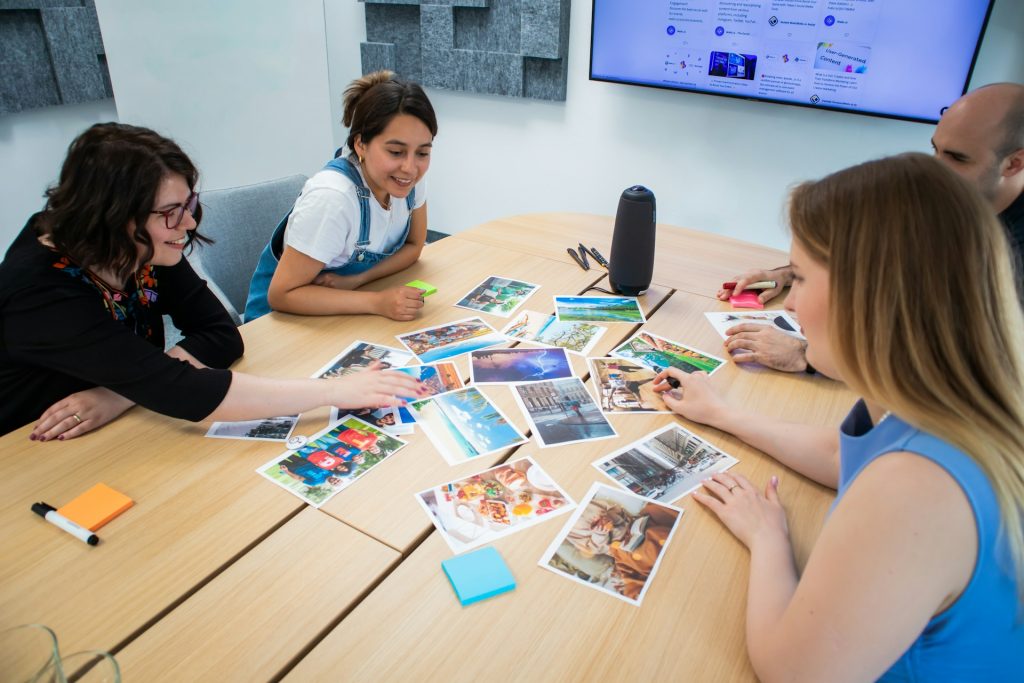
Casual virtual hangouts or themed check-ins add human connection back into remote work. Schedule optional coffee chats where work talk is banned. Host themed meetings like “show us your workspace” or “share your favorite Nigerian meal.” These moments seem trivial but they rebuild the social fabric that offices provide naturally.
Clear communication channels
Clear communication channels for HR, payroll, and operations prevent confusion. Remote employees should know exactly where to ask questions about salary, benefits, leave requests, or policy clarifications. Salario’s self-service portal exemplifies this, giving employees instant access to payslips, tax certificates, and HR information without having to chase anyone for answers.
Structure employee goals
Discuss employee goals with structure. Don’t just set performance targets. Ask about career aspirations, life priorities, and personal development interests. When managers understand what employees want beyond their current role, they can support growth in ways that build long-term engagement. A study of 24 Nigerian remote workers found that personal factors like motivation and growth opportunities directly influence engagement.
The key principle is simple. Remote teams need more communication structure than office teams, not less. When you’re not physically together, communication must be deliberate, consistent, and human.
Recognize and Reward Performance Consistently
Recognition drives retention, especially in competitive Nigerian talent markets. Research shows that 83% of employees who receive recognition monthly are less likely to job hunt compared to those recognized quarterly or less. Yet many Nigerian businesses fail at this completely.
The mistake most companies make is waiting for formal annual reviews to recognize good work. That’s too late. Monthly recognition creates 2.5 times stronger sense of belonging and doubles engagement and productivity, according to Achievers Workforce Institute research. Recognition must be frequent, specific, and meaningful.
Public acknowledgment in team meetings or company channels works powerfully in Nigerian culture, which values respect and public recognition. When someone delivers excellent work, call it out specifically. Don’t say “good job.” Say exactly what they did well and why it mattered. Specificity makes recognition feel genuine.
Peer-to-peer recognition programs amplify engagement. Let team members nominate colleagues for recognition. This distributes appreciation across the team and reduces dependence on managers to notice everything. Tools that enable peer recognition create cultures where everyone contributes to engagement.
Performance-based bonuses and rewards tied to results motivate sustained effort. Nigerian employees respond strongly to merit-based systems. When compensation reflects contribution, people work harder and stay longer. Research shows that 67% of employees rate praise and recognition as top motivators, even above financial bonuses. But combining both creates maximum impact.
Non-monetary recognition matters too. Extra leave days, professional development opportunities, or public profile features on company platforms cost little but mean much. The goal is showing employees their work is noticed and valued, not just paid for.
Recognition programs should celebrate milestones beyond work performance. Acknowledge personal achievements like birthdays, work anniversaries, educational accomplishments, or family celebrations. These gestures build emotional connection to the organization.
For remote teams, recognition requires extra effort. You can’t casually thank someone at their desk. You must create systems that ensure recognition happens consistently across distributed teams. Set calendar reminders. Build recognition into meeting agendas. Track who’s been recognized recently to ensure nobody gets overlooked.
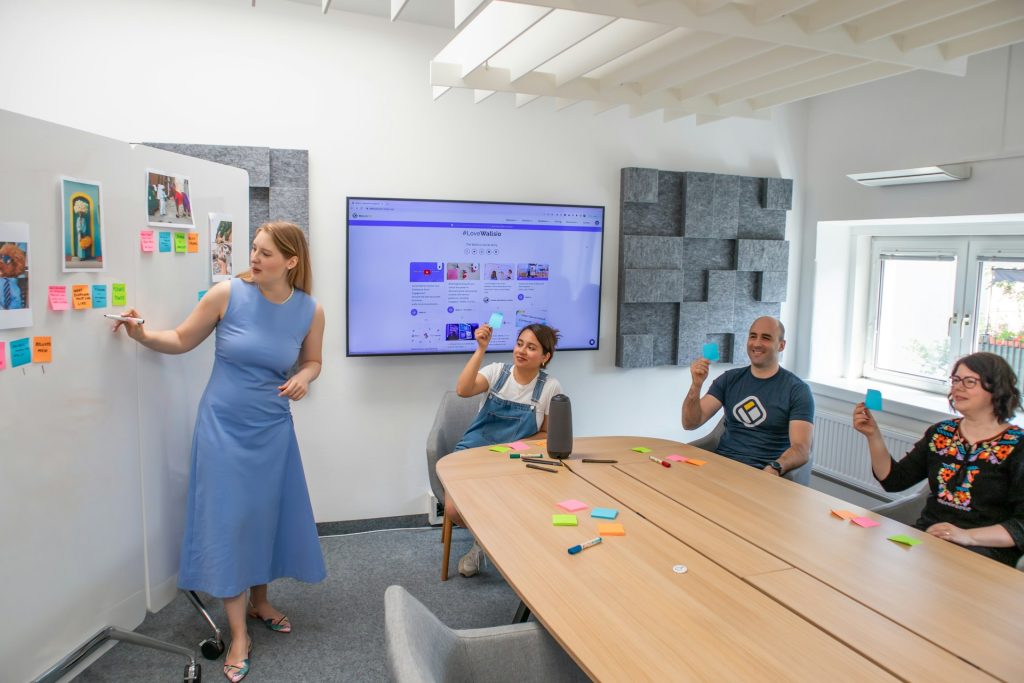
Companies with strong recognition programs see 45% lower turnover and employees 65% less likely to actively seek new jobs. In Nigeria’s talent market, that retention advantage translates directly to competitive edge.
Invest in Growth and Well-being
Employees stay engaged when they see a future with your company. Nigerian remote workers particularly value growth opportunities because they’re often competing globally while facing local infrastructure challenges. Investment in development signals long-term commitment.
Provide learning stipends or course subsidies. Let employees choose training relevant to their career goals. Whether it’s a Coursera certificate, a local workshop, or conference attendance, funding education shows you’re invested in their future. Remote workers appreciate this even more because they often bear extra costs like internet and electricity.
Create mentorship programs pairing junior employees with senior leaders. Remote work makes informal mentorship harder. Formal programs ensure knowledge transfer happens despite distance. Regular mentor check-ins give employees guidance, career advice, and connection to company leadership.
Offer mental health support and wellness resources. Remote work can be isolating. Power cuts, internet failures, and home distractions create stress office workers don’t face. Provide access to counseling services, wellness apps, or flexible hours that accommodate personal needs. A Lagos Business School study found hybrid workers report 15% less burnout than onsite counterparts when flexibility is real.
Build clear career paths with documented progression criteria. Remote employees often worry they’re invisible for promotions. Transparency about how advancement works removes that anxiety. Publish what skills, experience, and performance are required for each level. Conduct regular career conversations separate from performance reviews.

Support work-life balance actively, not just theoretically. Don’t praise employees for working weekends. Don’t message people late at night expecting immediate responses. Model healthy boundaries. Nigerian remote workers face unique challenges like unreliable power and family obligations. Flexibility around these realities builds loyalty.
Provide stipends for home office setup. Quality internet, backup power solutions, ergonomic chairs, and proper desks are not luxuries for remote workers. They’re necessities. When companies contribute to these costs, employees feel supported rather than abandoned to manage remote work challenges alone.
Growth investment pays dividends. Engaged employees who see development opportunities stay an average of 41% longer than those who don’t. In Nigerian talent markets where skilled workers are highly mobile, retention through growth is smart business.
Conclusion: Engagement Is a System, Not an Event
Employee engagement ideas for Nigerian remote and hybrid teams work when they’re systematic, not sporadic. One virtual happy hour doesn’t create engagement. Consistent communication structure does. One recognition award doesn’t retain talent. Monthly acknowledgment of contributions does. One training session doesn’t build loyalty. Ongoing investment in growth does.
The data from Nigerian remote work contexts is clear. Hybrid models achieve 35% engagement rates and 25% to 35% lower turnover compared to fully onsite or fully remote setups. But those results require intentional engagement systems, not accidental culture. Remote teams need more structure, more communication, more recognition, and more development support than office teams, not less.
Salario understands that payroll and HR operations directly impact employee engagement. When employees trust they’ll be paid accurately and on time, when they can access payslips instantly without chasing HR, when leave requests are processed smoothly, engagement improves. Our platform automates Nigerian payroll compliance, provides self-service portals that give employees transparency, and frees HR teams to focus on strategic engagement work instead of administrative firefighting.Ready to build systematic engagement for your Nigerian remote and hybrid teams? Book a free demo with Salario today and see how seamless payroll operations support the employee experience that drives engagement and retention. When the basics work perfectly, everything else becomes possible.