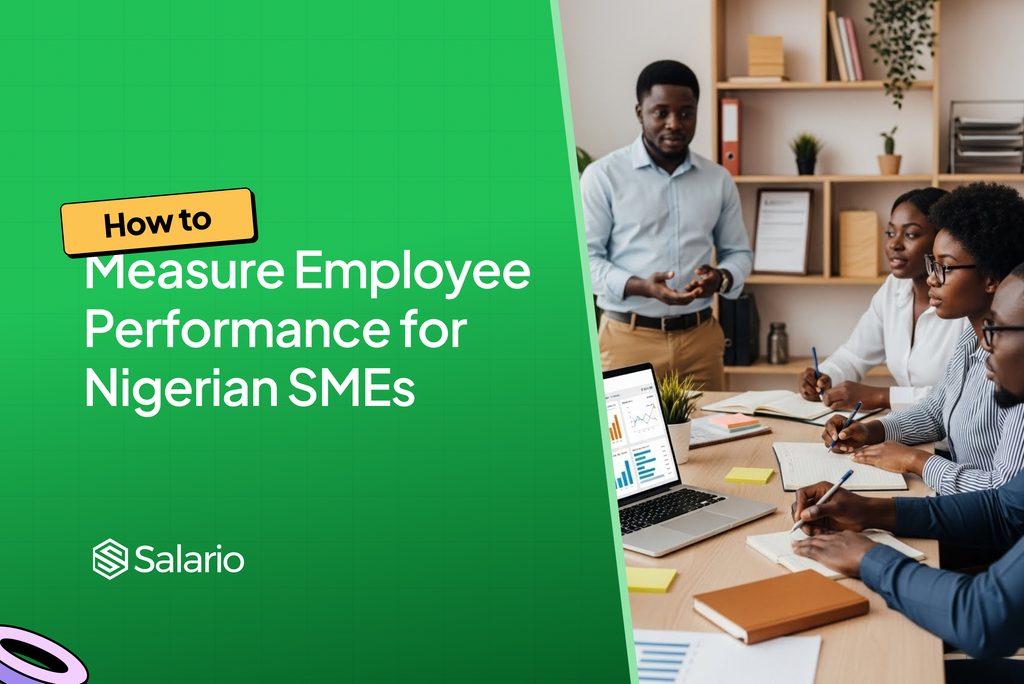
Many Nigerian SMEs and HR managers face a constant struggle when it comes to how to measure employee performance. In the rush to chase new clients, launch products, or expand operations, tracking individual and team performance often takes a backseat. Business owners and managers end up relying on gut feelings, casual observations, or outdated spreadsheets that don’t tell the full story. This creates uncertainty: who is truly driving results? Who needs support? And where is effort being wasted? Without clear ways to measure performance, it becomes difficult to reward high performers fairly, address underperformance early, or align everyone toward business growth.
The rise of process automation, cloud platforms, and AI has changed everything. These tools now make measuring employee performance much easier, faster, and more accurate. They track progress in real time, highlight strengths and gaps, and provide data that helps business owners and SMEs make better decisions. For Nigerian SMEs, this shift is especially valuable.
This article explains why measuring performance matters for Nigerian SMEs and provides practical ways to do it effectively. Whether you’re a founder wearing multiple hats or an HR manager looking for structure, you’ll learn clear steps to master how to measure employee performance in your business. Let’s dive in!
The Importance of Measuring Employees’ Performance for Nigerian SMEs
Knowing how to measure employee performance isn’t just about collecting numbers: it’s about creating clarity, building trust, and driving real momentum in your business. When you get it right, performance management for Nigerian SMEs becomes a powerful lever that aligns your team, uncovers hidden strengths, strengthens accountability, and tracks meaningful progress toward your goals. Let’s look at the key reasons why mastering this can make a real difference for your business.
Alignment on Goals and Performance Expectations
When you clearly define performance objectives and success metrics, employees gain a shared understanding of what matters most to the business. They can prioritise their daily work around the company’s key goals instead of guessing or focusing on tasks that feel urgent but aren’t important. Clear expectations reduce confusion, prevent wasted effort, and help everyone see how their role contributes to the bigger picture.
In Nigerian SMEs where resources are limited, this alignment ensures the team moves in the same direction, making progress faster and more intentional. Employees become more focused, HR managers can guide effectively, and the entire business moves forward with purpose.
Provide Visibility into User Behaviour
Measuring performance gives business owners and SMEs real insight into how employees interact with systems, tools, and processes. You see patterns like where someone struggles repeatedly, where tasks take longer than expected, or where irregularities slow the team down. This visibility helps identify friction points, inefficient workflows, or skill gaps that might otherwise go unnoticed.
Once you understand actual behaviour, you can make targeted improvements, whether that means redesigning a process, providing specific training, or adjusting workloads. This kind of insight drives smarter decisions and higher productivity. It turns guesswork into evidence-based action.
Improved Employee Experiences

When you measure performance thoughtfully, you quickly spot when an employee is struggling to complete tasks or meet expectations. Instead of waiting for a problem to become obvious, you can step in early with the right support: extra guidance, clearer instructions, or additional resources. This contextual help allows employees to perform with greater confidence and reduces stress. They feel supported rather than judged, which strengthens their commitment to the business.
This proactive approach builds loyalty and prevents burnout. Employees become more engaged because they know their challenges are seen and addressed.
Strengthens Accountability and Transparency
Measuring performance creates a fair and open environment where everyone knows what is expected and how success is evaluated. When goals and outcomes are clear and measurable, accountability becomes natural: employees take ownership of their work because results are visible and objective. Transparency also grows; people see that evaluations are based on facts, not favouritism or assumptions.
This builds trust between leadership and staff, reduces misunderstandings, and creates a culture of fairness. In Nigerian SMEs where teams are often closely associated, strong accountability and transparency foster mutual respect and drive collective progress.
To Track Performance-Growth Metric

Measuring performance allows you to compare individual and team output against actual business growth over time. You can see whether effort is translating into higher revenue, better customer satisfaction, or improved operational efficiency. This comparison helps you understand what drives progress and what holds it back. You can adjust strategies, reallocate resources, or celebrate achievements with evidence.
Tracking performance against growth metrics keeps the focus on results that matter most to the business. It turns vague hopes into clear, data-backed directions.
5 Ways to Measure Employee’s Performance for Nigerian SMEs
Now that we’ve covered why measuring performance matters so much, let’s move to the practical side. Here are 5 straightforward, low-cost ways Nigerian SMEs can start mastering how to measure employee performance today. These approaches are flexible, easy to implement even with limited resources, and designed for the realities of running a business in Nigeria. You can start with one method or combine a few; each one gives you clearer insight into your team’s contributions and helps guide them toward better results.
Key Performance Indicators (KPIs)
Choose specific, measurable targets tied to each role, like sales targets for marketers, resolution time for customer support, or project completion rates for operations. Track progress weekly or monthly using simple tools like Google Sheets or shared dashboards. This method gives clear visibility into who is meeting expectations and who needs support. For Nigerian SMEs, KPIs must be realistic and tied to actual business goals so employees feel the connection between their work and company success. Regularly review KPIs to keep them relevant as the business evolves.
360-Degree Feedback
Collect input from multiple sources: managers, peers, and the employees themselves. Use simple Google Forms or anonymous surveys to ask about strengths, areas for improvement, and collaboration. This rounded view reduces bias and reveals insights a single manager might miss. In Nigerian SMEs where teams are often small and close-knit, 360 feedback builds fairness and trust. It helps identify hidden issues like communication gaps and encourages a culture of openness. Combine this with one-on-one discussions to turn feedback into actionable steps.
Self-Assessments
Ask employees to rate their own performance against agreed goals and key responsibilities. Provide a simple template with questions like “What achievements am I proud of?” and “What challenges did I face?” Compare self-ratings with manager observations to spark meaningful conversations. For Nigerian SMEs, self-assessment encourages ownership and helps employees reflect on their contribution. It also highlights areas where support is needed. Use this approach regularly to keep discussions constructive and focused on growth rather than criticism.
Goal Tracking Tools
Use free or low-cost tools like Trello, Notion, or ClickUp to set, track, and review individual and team goals. Assign tasks, deadlines, and success measures, then update progress weekly. This visual method keeps everyone aligned and makes it easy to see who is on track. Goal-tracking tools provide clarity in fast-moving environments where priorities shift quickly. They also create a record of effort and achievement, useful for reviews and recognition.
Productivity Reviews
Observe output quality and quantity over time: completed projects, customer feedback, or task turnaround. Combine quantitative data like resolutions with qualitative input. Conduct short monthly reviews to discuss progress and obstacles. Productivity reviews help balance workload and identify bottlenecks early. They also show employees their impact, reinforcing purpose. Keep reviews fair and supportive, focusing on improvement rather than blame.
Best Practices to Improve Employee Performance
Measuring performance is only the first step; knowing what to do with the insights is what creates real improvement. Here are 5 proven best practices that turn measurement into action. These steps help you build a culture of growth, keep your team motivated, and make performance management for Nigerian SMEs feel natural and effective rather than forced.
Set Clear Goals
Start with specific, achievable objectives that connect directly to the company’s bigger picture. Make goals visible and revisit them regularly so everyone stays aligned. Clear goals reduce confusion and help employees see their role in the business’s success. Especially for Nigerian SMEs, where resources are limited, clear goals ensure effort is focused where it matters most.
Invest in Automation Technologies
Repetitive manual work such as tracking tasks, chasing updates, and logging performance drains energy and lowers morale. Automation tools like Salario take over these tasks, freeing teams to focus on meaningful work. Salario is an excellent choice for Nigerian SMEs because it automates performance management for Nigerian SMEs, combining goal tracking, feedback collection, and payroll automation, all in one platform. This reduces HR burden and lets business owners or HR Managers concentrate on the growth of the business.

Provide upskilling and hands-on training opportunities for employees.
Offer regular training sessions, workshops, or online courses to build skills that match current and future needs. Hands-on practice helps employees apply learning immediately. Upskilling boosts confidence, improves output, and prepares the team for growth without hiring externally.
Establish Good Communication Channels
Create open, regular channels like weekly check-ins, team meetings, or Slack/WhatsApp groups for feedback and updates. Encourage honest conversations so issues surface early. Good communication builds trust and ensures everyone feels heard, which is especially important in Nigerian SMEs where teams are often closely associated and informal.
Create a Review System
Set up consistent reviews, monthly one-on-ones, or quarterly formal sessions to discuss progress, challenges, and next steps. Use a simple format with clear criteria. A good review system keeps performance conversations constructive and forward-looking, helping employees grow while aligning them with business goals.
Conclusion
Measuring employee performance is essential for Nigerian SMEs that want to grow sustainably. For better alignment, clearer visibility, improved experiences, stronger accountability, and growth tracking, performance management is a must-have for Nigerian business owners. For SMEs looking for a one-stop solution that simplifies performance management for Nigerian SMEs, Salario is the perfect fit. It combines powerful performance tracking with payroll automation and local compliance as the perfect finishing touch. You get everything you need in one platform, specifically built for Nigerian businesses, designed to save time and reduce stress. Book a demo with our team today and see how Salario can transform the way you measure and improve performance. Start today and watch the difference!