Every month, thousands of Nigerian business owners and SMEs struggle with the same headache, which is tracking and reimbursing employee expenses. Messy spreadsheets, lost receipts, endless reminders, and reimbursements that drag on for weeks leave everyone frustrated and cash flow under pressure. The good news? Following the best practices for tracking and reimbursing employee expenses can turn this chaos into a smooth, predictable process that actually strengthens your business.
When done right, employee expense management stops being a burden and builds trust. It keeps your cash flow healthy, eliminates wasteful spending, and most importantly, ensures you stay fully compliant with Nigeria’s ever-changing tax and labour regulations. In this article, we’ll show you exactly why effective expense tracking and reimbursement matter, then walk you through 7 proven best practices for tracking and reimbursing employee expenses that thousands of smart Nigerian businesses already use to save time, cut errors, and keep their teams happy. Let’s dive in and see how you can make expense management headaches a thing of the past!
Why Effective Expense Tracking and Employee Reimbursement Matters
Effective employee expense management is the foundation of financial control, legal compliance, and high employee morale. It gives you real-time visibility into where money is going, lets you set clear spending limits, and prevents overspending before it spirals. Proper documentation protects you during FIRS audits and reduces the risk of penalties or unexpected tax liabilities.
A structured system, especially one using automation and regular audits, catches fraudulent claims like duplicate submissions or exaggerated amounts long before they hurt your business. Most importantly, timely reimbursement means employees aren’t forced to carry the burden of business expenses. When employees are paid back promptly, they feel valued and respected, which directly boosts satisfaction, trust, and overall morale.
In short, strong best practices for tracking and reimbursing employee expenses aren’t just good accounting, they’re signs of good leadership that keeps your team motivated and your business protected.
7 Best Practices for Tracking and Reimbursing Employee Expenses
Establish a Clear Expense Policy

Create a simple, accessible document that spells out exactly what’s reimbursable (travel, meals, internet, etc.), spending limits per category, submission deadlines, and the approval timeline. Share it with every new hire and keep it in a shared drive. A clear policy is the first and most important step in the best practices for tracking and reimbursing employee expenses. It sets the pace for other practices, and ensures everyone stays informed.
A clear policy removes confusion, reduces disputes, and sets expectations from day one. Include examples of acceptable and non-acceptable expenses so there’s never any guesswork. When everyone knows the rules, compliance becomes second nature.
Automate the Process

Replace spreadsheets with expense management software. Manual spreadsheets are error-prone and time-consuming. Automating employee expense management with dedicated software eliminates double entry, speeds up approvals, and gives managers real-time visibility. Employees upload receipts on their phones, categorise expenses, and submit instantly, while approvers review and sign off from anywhere.
Automation also flags policy violations automatically and creates audit-ready reports with one click. Modern tools cut processing time significantly and reduce the risk of mistakes. For SMEs, this is one of the best rewardable changes you can make in the best practices for tracking and reimbursing employee expenses.
Make Digital Receipt Submission Mandatory
Require every expense claim to include a digital receipt uploaded at the point of spend. This simple rule eliminates “I lost the receipt” excuses, creates an unbreakable audit trail, and makes FIRS inspections painless. Digital receipts can’t fade, get damaged, or disappear. Most expense apps use OCR to read amounts and dates automatically, saving even more time. Enforce the rule from day one, make it non-negotiable. It’s one of the simplest yet most powerful best practices for tracking and reimbursing employee expenses.
Process Reimbursements Promptly
Nothing damages morale faster than making employees wait weeks (or months) to be repaid for money they’ve already spent on the business. Commit to a clear reimbursement timeline, stick to it religiously.Fast reimbursement shows respect for your team’s personal cash flow and reinforces that their contributions are valued.
Consider adding reimbursements to the next payroll run whenever possible. When people know they’ll be paid back quickly and reliably, they’re far more willing to incur legitimate business expenses. Prompt processing is one of the best practices for tracking and reimbursing employee expenses.
Integrate with Payroll
The smoothest way to handle reimbursements is to integrate expense management directly with payroll. Approved expenses flow straight into the next pay run as non-taxable additions, no separate transfers, no extra paperwork. Salario is a perfect example of this in action. Its seamless payroll automation integrates natively with Zoho Books, QuickBooks, and other accounting software, letting you manage both payroll and expenses in one place.
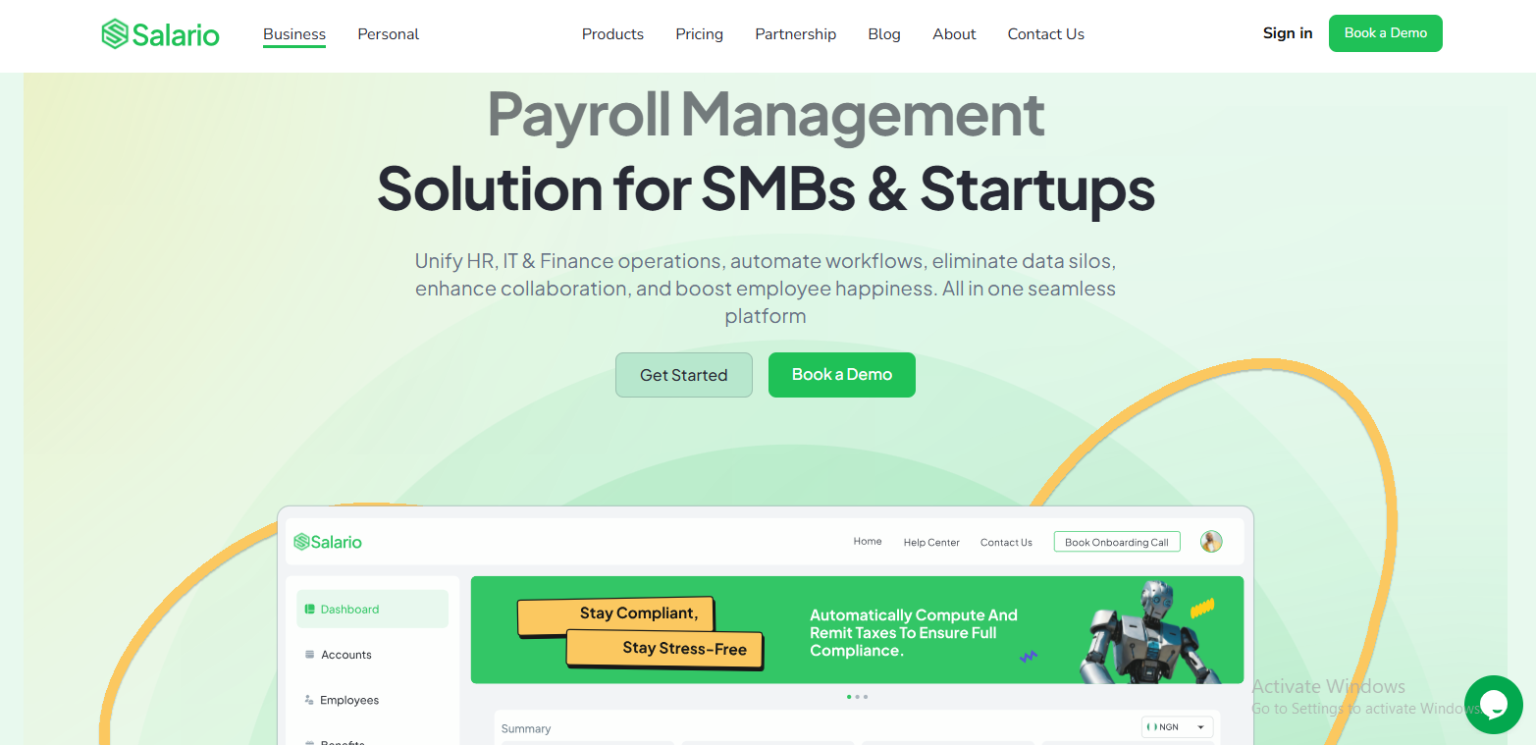
Once an expense is approved, Salario adds it automatically to the employee’s payslip. No manual journals, no reconciliation headaches, and zero chance of double payment. For Nigerian businesses that need local compliance built-in, Salario turns employee expense management into a completely hands-off process while keeping everything 100% compliance-ready.
Perform Regular Audits
Schedule quarterly (or random monthly) audits of expense claims. Look out for duplicates, policy breaches, or unusual patterns. Regular audits reinforce accountability and deter anyone tempted to bend the rules. Audits are a non-negotiable part of the best practices for tracking and reimbursing employee expenses.
Ensure Legal Compliance
Stay current with FIRS guidelines on accountable plans, tax-deductible expenses, and documentation requirements. Review your policy at least annually (or whenever tax laws change) and train your team on updates.
Non-compliance can turn reimbursements into taxable income for employees and trigger penalties for the business. Legal compliance isn’t optional, it’s the final safeguard in the best practices for tracking and reimbursing employee expenses.
Conclusion
Following these best practices for tracking and reimbursing employee expenses transforms a monthly headache into a smooth, trust-building process that protects your cash flow and keeps you FIRS-compliant. A clear policy, automation, digital receipts, fast payments, seamless payroll integration, regular audits, and strict legal compliance are all it takes to say goodbye to spreadsheets and stress forever.
If you’re ready for a one-stop solution that combines payroll automation with seamless expense tracking, and automated reimbursements, all on a single platform, Salario is your best choice. Book a demo with our team today and see how easy employee expense management can be. Thousands of Nigerian business owners have already switched and never looked back. Your calmer month-ends, happier team, and cleaner books are just one click away!