

Companies that use attendance tracking software see almost a 20% drop in absence rates, according to a 2025 TeamSense report. That single number says a lot. Most attendance problems are not really about lazy staff or bad luck. They are about weak systems. When HR teams have no reliable way to track who showed up, who logged in late, and who is quietly building a pattern of no-shows, the whole business feels it. Deadlines slip. Coworkers pick up extra shifts to cover gaps. Payroll gets messy at month end, and trust between staff and management starts to erode.
For Nigerian HR teams juggling Lagos traffic, remote staff, and manual spreadsheets, attendance management often falls to the bottom of the priority list. But it shouldn’t. Strong attendance management best practices protect productivity, keep payroll accurate, and build a culture of accountability across the business. They also give HR managers back hours every month that would otherwise go into chasing down timesheets and settling disputes over who was actually at their desk. Here are the attendance management best practices worth building into your HR playbook this year, whether you’re running a five-person startup or a growing team across several states.
1. Write an Attendance Policy Everyone Can Actually Understand
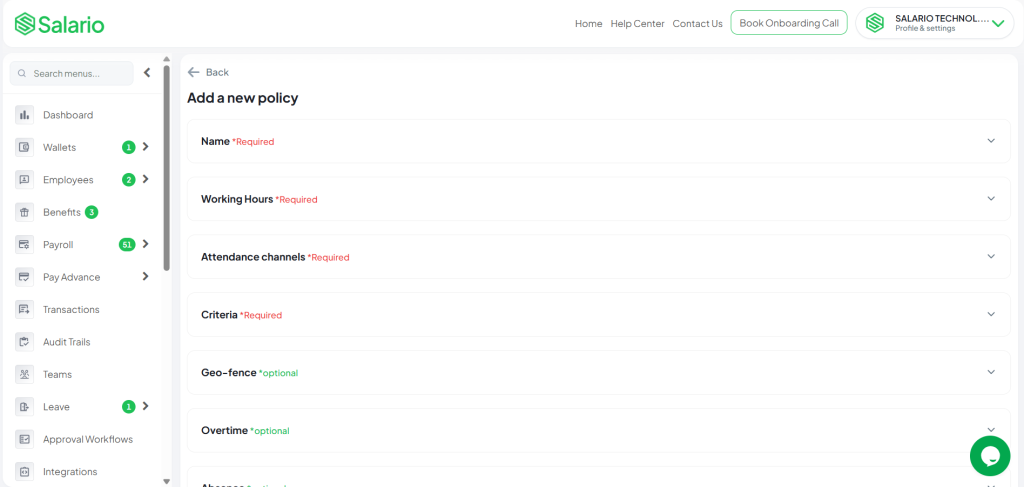
Vague policies create confusion. If your staff handbook says “employees are expected to maintain regular attendance” and nothing else, you have no real policy at all. Spell out working hours, grace periods for lateness, how sick leave gets reported, and what counts as an unexcused absence. State the consequences clearly too, so nobody is surprised later. When Adaeze in Lagos and Tunde working remotely from Abuja both read the same document, they should walk away with the same understanding of what’s expected. A written policy is the foundation every other attendance management practice sits on.
2. Move Off Paper and Spreadsheets
Manual attendance registers still dominate many Nigerian offices. A sign-in sheet at the front desk feels simple, but it invites buddy punching, forgotten entries, and hours of manual reconciliation every payroll cycle. Digital time and attendance tools remove the guesswork. Clock-ins get timestamped automatically, and HR stops chasing down illegible handwriting at month end. Staff can also correct genuine errors quickly instead of waiting for a manager to dig through a paper trail. This is one of the fastest wins in any attendance management strategy, and it usually pays for itself within a few months.
3. Automate Leave Requests and Approvals
Leave management eats up hours when it runs through WhatsApp messages and printed forms. An employee asks for three days off, the message gets buried, and nobody updates the attendance record before payroll runs. Automated leave workflows let staff submit requests, get instant status updates, and free managers from tracking approvals in their heads. Managers can approve or decline from their phones, and the attendance record updates immediately. This keeps your attendance data accurate instead of relying on memory, sticky notes, or a manager’s inbox.
Getting these fundamentals right early saves HR teams from firefighting attendance problems later, when a small habit has already turned into a costly pattern.
4. Track Patterns, Not Just Daily Presence
A single late arrival rarely matters. A pattern of Monday absences or repeated early exits usually does. Good attendance management best practices involve reviewing trends monthly, not just logging daily check-ins one at a time. Look for spikes around paydays, public holidays, or specific teams within the business. Patterns often point to a real problem, whether that’s a transport issue, a scheduling conflict, low morale on a particular team, or an employee quietly job hunting. Catching the pattern early gives HR a chance to address the cause before it becomes a bigger retention problem.
5. Set Expectations During Onboarding
New hires form habits fast. If attendance rules only come up after a problem happens, you’ve already lost ground. Walk every new employee through your attendance policy in their first week on the job. Explain how to log hours, how to request leave, and who to contact if they’re running late or feeling unwell. Show them exactly where to find their own attendance records too. This single step during onboarding prevents most disputes and misunderstandings down the line.
6. Give Employees Self-Service Access to Their Own Records
Employees who can see their own attendance and leave balances raise fewer disputes with HR. Self-service portals let staff check their logged hours, confirm leave days remaining, and flag errors before payroll runs instead of after. This transparency builds trust and cuts down on the back-and-forth emails HR teams dread every month. It also shifts some of the administrative load off HR and onto a system employees can check themselves, freeing time for more strategic work.
7. Build Flexibility Into Your Policy Where It Makes Sense
Lagos traffic alone can turn a 30-minute commute into two hours without warning. A rigid 8:00 AM clock-in rule punishes employees for circumstances outside their control. Consider flexible start windows, remote work options, or compressed schedules where the role allows it. Flexibility does not mean abandoning structure. It means designing attendance rules that reflect how your team actually works and commutes, rather than copying a policy from a different market entirely.
8. Address Attendance Issues Early and Fairly
Waiting three months to raise a lateness problem with an employee makes the conversation harder for everyone involved. Address issues as soon as a pattern appears, and do it consistently across the whole team. Favoritism or inconsistent enforcement undermines the entire policy faster than any single absence ever could. Document conversations so there’s a clear record if the pattern continues, and follow the same process regardless of seniority or department.
9. Connect Attendance Data Directly to Payroll
Attendance and payroll should never live in separate systems that someone manually reconciles by hand. When hours worked, overtime, and unpaid leave feed straight into payroll calculations, HR avoids the errors that come from copying numbers between spreadsheets every cycle. This also closes a common fraud gap in Nigerian businesses, where ghost workers or padded hours slip through disconnected systems unnoticed. Linking attendance to payroll turns two separate headaches into one accurate, automated process.
10. Review and Update Your Policy Every Year
An attendance policy written three years ago may no longer fit how your team works today. Remote roles, hybrid schedules, and new state regulations all shift over time. Revisit your attendance management policy at least once a year and ask HR managers, team leads, and even employees what’s working and what isn’t. A policy that stays static while the business grows quickly becomes irrelevant, and staff notice when rules no longer match reality.
How Salario Supports Attendance Management
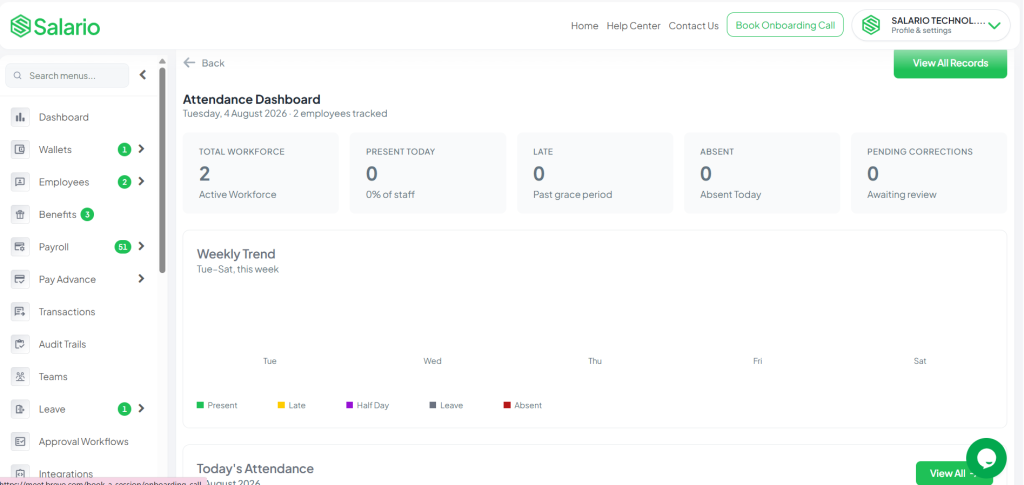
Salario, the Nigerian payroll and HR platform, includes attendance tracking built directly into its payroll system rather than as a separate add-on. Employees can clock in and out through a self-service portal, and HR teams get a live view of attendance across the business without chasing spreadsheets or paper registers. Because attendance data flows straight into payroll calculations, overtime and unpaid leave get reflected accurately every cycle without manual reconciliation. For businesses managing staff across multiple states, or diaspora founders overseeing teams remotely from the UK, US, or Canada, this kind of visibility removes a major source of payroll disputes and wasted HR hours. It’s attendance management built for how Nigerian businesses actually operate. Salario also provides a tool for comparing attendance management options to help you put things into perspective when making your choice.
Final Thoughts
Getting attendance management right is less about strict rules and more about building a system your team can trust. Attendance management best practices come down to clear policies, reliable tracking, and fair, consistent enforcement across the team. Move away from paper registers, give employees visibility into their own records, and connect attendance directly to payroll so nothing falls through the cracks. Ready to stop chasing spreadsheets and start managing attendance with confidence? Book a free demo with Salario today and see how Nigerian businesses are automating attendance and payroll in one place. When your systems run accurately, your HR team finally gets its time back.