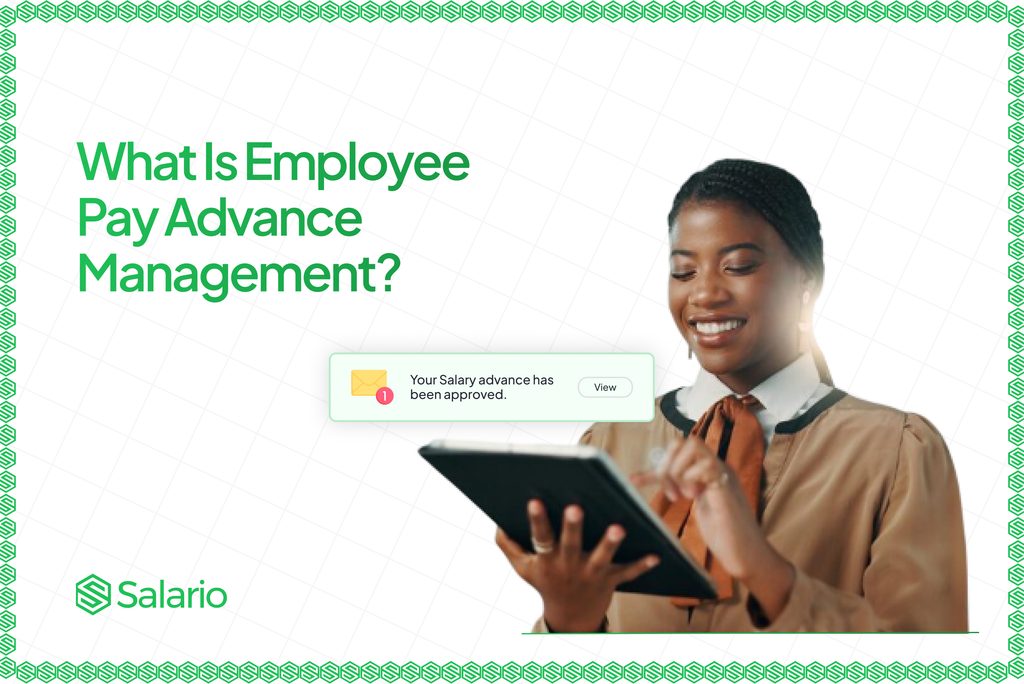
Many business owners and HR managers in Nigeria are familiar with the request that comes up regularly. An employee needs an advance on their salary. Whether it is for rent, medical bills, or an unexpected emergency, pay advances have become a common feature of workplace life. Without a clear system, these requests can quickly create confusion, cash flow pressure, and administrative headaches. This is where employee pay advance management comes in.
Employee pay advance management is the structured process of handling, tracking, approving, and recovering salary advances in a way that protects both the business and the employee. In this article, we explain what employee pay advance management really means, why traditional approaches often fall short, and how a better system can support healthier financial operations. Let’s dive in.
What Is Employee Pay Advance Management?
Employee pay advance management refers to the complete system a company uses to handle requests for early access to earned or future salary. It goes beyond simply giving an employee money before payday. It includes clear policies, approval workflows, tracking of outstanding advances, recovery methods, and proper documentation. Traditional salary advances are often handled informally, with managers approving requests on a case by case basis and finance teams left to chase repayments later.
Structured employee pay advance management brings order to this process. It ensures that every request is reviewed properly, recorded accurately, and recovered without creating unnecessary friction. For growing businesses in Nigeria, effective employee pay advance management has become increasingly important because it helps maintain cash flow control, reduces disputes, and builds greater trust between employers and staff. When done well, it turns what is often a messy process into a transparent and manageable part of payroll operations.
Why Businesses Struggle with Traditional Pay Advances
Many companies still manage pay advances in an informal way. While this may work when the team is small, it quickly becomes problematic as the organisation grows. The absence of a structured approach to employee pay advance management creates several recurring challenges that affect both operations and relationships.
Cash flow pressure

When multiple employees request advances around the same time, the business may face unexpected strain on available funds. Without proper planning or limits, these requests can disrupt budgets and make it harder to meet other financial obligations. Structured employee pay advance management helps set clear boundaries so that advances do not unexpectedly drain working capital.
Recovery difficulties
Tracking and recovering advances can become complicated when records are incomplete or scattered. Some employees may leave before full repayment, while others may dispute the amounts. Poor recovery processes turn what should be a temporary arrangement into a lasting financial issue for the company.
Administrative burden

HR and finance teams often spend significant time processing requests, updating records, and following up on repayments. This manual work increases the risk of errors and takes attention away from more strategic tasks. A clear system of employee pay advance management reduces this load by creating consistent workflows.
Lack of transparency
When the process is informal, employees may not fully understand the terms, timelines, or repayment conditions. This lack of clarity can lead to misunderstandings and reduced trust. Transparent employee pay advance management ensures everyone knows what to expect from the start.
Compliance and documentation risks
Without proper records, businesses may struggle to justify advances during audits or internal reviews. Incomplete documentation also makes it harder to demonstrate that processes were fair and consistent. Strong employee pay advance management includes proper record keeping that supports compliance.
Stages of Employee Pay Advance Management
Effective employee pay advance management follows a clear sequence of stages. Understanding these stages helps businesses design a process that is consistent, fair, and easy to manage.
Request stage
The process begins when an employee submits a formal request for an advance. A structured system requires the request to include key details such as the amount needed, the reason, and preferred repayment terms. This stage creates a clear starting point and prevents informal verbal arrangements that are hard to track later.
Review and approval stage

Once a request is submitted, it moves to the appropriate approver. This may be a line manager, HR, or finance, depending on the company policy. The review stage checks whether the request fits within policy limits, considers the employee’s outstanding balance, and confirms that the business can support the advance without strain.
Disbursement stage
After approval, the funds are released to the employee. In a well managed process, the disbursement is recorded immediately and linked to the employee’s payroll record. Clear communication about the amount and repayment schedule helps set the right expectations from the beginning.
Tracking and recovery stage
This is one of the most important stages of employee pay advance management. The outstanding amount is tracked, and repayments are deducted from future salaries according to the agreed schedule. Consistent tracking prevents balances from being forgotten and reduces the risk of disputes.
Reporting and review stage
The final stage involves reviewing outstanding advances, repayment patterns, and overall impact on cash flow. Regular reporting helps management understand how advances are being used and whether policies need adjustment. This stage turns employee pay advance management into a source of useful insight rather than just an administrative task.
Benefits of Employee Pay Advance Management
When employee pay advance management is handled properly, both the business and employees gain meaningful advantages. A structured approach creates clarity and reduces the friction that often comes with informal systems.
Better cash flow control
With clear policies and limits in place, businesses can manage the volume and timing of advances more effectively. This reduces unexpected pressure on available funds and helps maintain more predictable financial planning.
Improved employee trust and satisfaction

Employees appreciate a process that is transparent and consistent. When requests are handled fairly and repayments are clearly communicated, trust in the organisation grows. Structured employee pay advance management shows that the company takes employee needs seriously while still protecting its own interests.
Reduced administrative workload
Clear workflows and proper documentation reduce the time HR and finance teams spend chasing information or correcting records. This allows teams to focus on higher value work rather than constant follow ups.
Lower risk of disputes
When terms are clear from the start and records are accurate, disagreements about amounts or repayment schedules become less common. This protects relationships and reduces the emotional cost of managing advances.
Stronger compliance and audit readiness
Proper documentation and consistent processes make it easier to demonstrate that advances were handled appropriately. This supports internal controls and reduces stress during audits or reviews.
Best Practices for Effective Employee Pay Advance Management
Strong employee pay advance management depends on clear policies and consistent execution. The following practices help businesses create a system that is fair, transparent, and sustainable.
Establish a clear written policy
A written policy should outline who can request advances, maximum amounts, approval levels, and repayment terms. Clear guidelines remove ambiguity and ensure that decisions are consistent across the organisation. Employees and managers should both understand the rules from the start.
Set reasonable limits and eligibility criteria
Not every request can or should be approved. Setting limits based on salary level, length of service, or outstanding balances helps protect cash flow while still offering support when it is genuinely needed. Eligibility criteria also make the process feel fairer to everyone involved.
Use structured approval workflows
Approval should follow a defined path rather than depending on informal conversations. Structured workflows create accountability and make it easier to track decisions. This is a core part of effective employee pay advance management.
Maintain accurate records
Every advance should be recorded with the amount, date, approval details, and repayment schedule. Accurate records prevent confusion and support both recovery and reporting. Good documentation is essential for long term control.
Communicate clearly with employees
Employees should receive clear information about the terms of any advance they receive. Transparency around amounts, repayment timelines, and deductions builds trust and reduces the chance of later disputes.
Review the system regularly
Policies and processes should be reviewed periodically to ensure they still meet the needs of the business and its employees. Regular reviews keep employee pay advance management relevant as the organisation grows and circumstances change.
How Salario Supports Better Employee Pay Advance Management
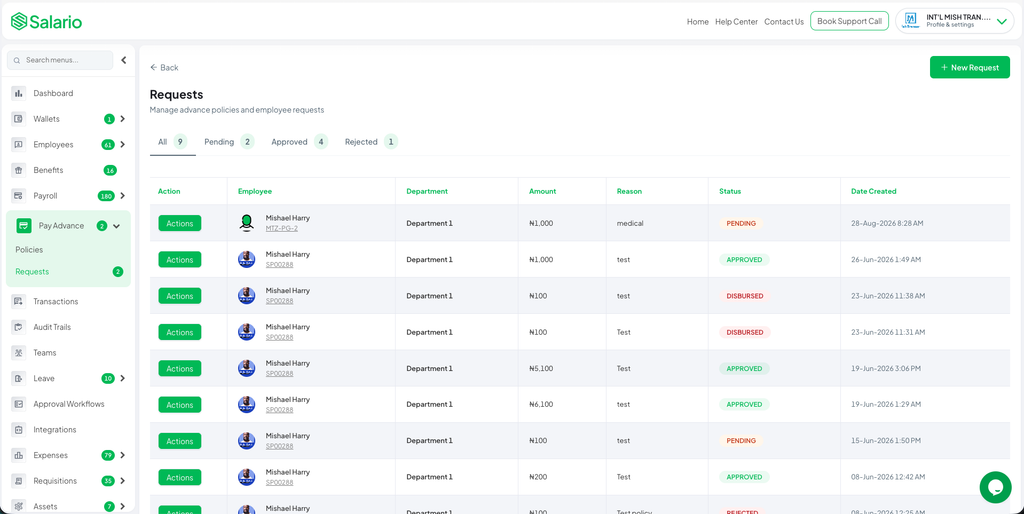
Salario is designed to help businesses move away from informal and stressful approaches to pay advances and toward a more structured and reliable system. Through its partnership with Fundmey, Salario offers earned wage access as a modern alternative that addresses many of the challenges associated with traditional salary advances.
Earned wage access
Employees can access a portion of wages they have already earned before the official payday. This approach provides timely support without creating the same long term recovery risks that traditional advances often bring. It is a practical feature of modern employee pay advance management.
Automated tracking and records

Salario helps maintain clear records of requests, approvals, and balances. Automation reduces the manual work involved in tracking advances and supports more accurate recovery through payroll.
Transparent processes
Employees and managers gain clearer visibility into the status of requests and outstanding amounts. This transparency strengthens trust and reduces misunderstandings.
Integration with payroll
Because advances are linked directly to the payroll system, recovery becomes more consistent and less dependent on manual follow ups. This integration is a key advantage of structured employee pay advance management.
Compliance support
Salario helps maintain proper documentation and supports Nigerian regulatory requirements. This reduces the risk of incomplete records and makes audits less stressful for finance teams.
Conclusion
Employee pay advance management is no longer something growing businesses can afford to handle informally. Without clear systems, requests often create cash flow pressure, administrative strain, and reduced trust. A structured approach brings clarity, consistency, and better control for both the organisation and its employees. Salario offers practical features, including earned wage access, that help companies handle pay advances more effectively while protecting cash flow and maintaining strong relationships with employees.
Ready to put a clearer system in place? Book a demo with our team today. With Salario, your journey to a stress free employee pay advance management is just a click away!