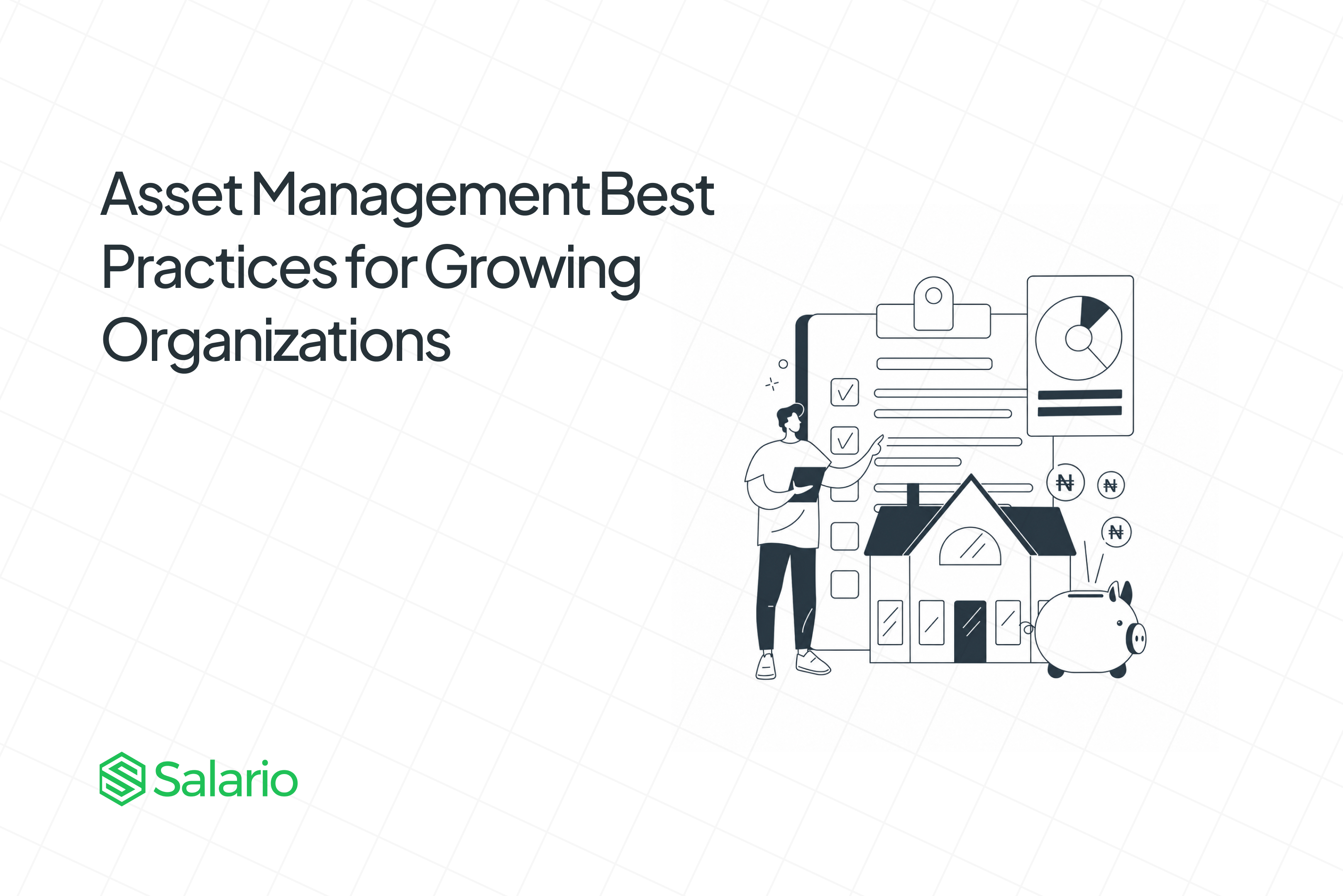
Looking for best practices for asset management for growing organizations? As organizations scale, managing assets effectively becomes one of the most important factors in sustainable growth. Many growing companies in Nigeria and across Africa start with simple spreadsheets or manual records for their equipment, furniture, vehicles, and technology. But as the business expands, these basic approaches quickly become inadequate.
Assets get misplaced, maintenance is overlooked, depreciation is calculated incorrectly, and audits turn into stressful ordeals. This is where proper asset management for growing organizations makes a significant difference. In this article, we explore why asset management becomes critical during growth phases and share practical best practices that help businesses maintain control, reduce waste, and support long term success. Let’s dive in.
Why Asset Management Becomes Critical as Organizations Grow
When a business is small, tracking assets feels manageable with basic methods. However, rapid growth brings new complexities that make proper asset management essential. Without structured systems, companies face increasing risks and hidden costs that can slow progress. Effective asset management for growing organizations helps protect resources, improve financial accuracy, and support strategic decision making. Here are the main reasons why it becomes increasingly important.
Rising Volume and Value of Assets
As the organization expands, the number and monetary value of assets grow significantly. What started as a few laptops and office desks can quickly become fleets of vehicles, multiple office locations, and expensive equipment. Without proper tracking, it becomes easy to lose visibility, leading to misplaced items and financial inaccuracies in reporting.
Increased Risk of Loss and Theft
Larger operations across multiple sites make assets more vulnerable to loss or theft. Growing organizations without strong controls often discover missing items only during audits, resulting in unexpected financial losses and operational disruptions.
Complex Financial Reporting and Compliance Needs

Bigger companies face stricter audit requirements and more detailed financial reporting. Accurate asset records are necessary for proper depreciation calculations, tax compliance, and presenting a true picture of the company’s financial position to investors or regulators.
Higher Operational Inefficiencies
Poor asset management leads to duplicated purchases, underutilized equipment, and unplanned maintenance costs. These inefficiencies drain resources that could otherwise support business expansion and innovation.
Key Asset Management Best Practices for Growing Organizations
Implementing strong asset management practices early gives growing organizations a competitive advantage. These practices help track value, reduce risks, and support better decision making. The following best practices have proven effective for companies transitioning from small to medium and large scale operations.
Create and Maintain a Comprehensive Asset Register
A central asset register serves as the single source of truth for all company assets. It should include detailed information such as asset description, purchase date, original cost, current location, assigned user, condition, and depreciation status. Regularly updating this register ensures accurate financial reporting and makes it easier to identify missing or underutilized assets. For growing organizations, maintaining an up-to-date register prevents surprises during audits and supports informed decisions about future investments and resource allocation.
Implement Effective Asset Tracking Systems
Modern tracking methods such as barcode labels, RFID tags, or GPS for vehicles provide real time visibility into asset locations and usage. These systems reduce loss and theft while making it easier to schedule maintenance. Growing organizations benefit greatly from automated tracking because manual methods become unreliable as the number of assets increases across multiple locations or departments. Good tracking also improves accountability among team members who use company resources daily.
Establish Clear Policies for Acquisition and Disposal
Growing organizations should have defined processes for purchasing new assets and disposing of old ones. Approval workflows, budget considerations, and proper documentation requirements help prevent unnecessary spending and ensure assets are retired or sold according to policy. Clear policies also support better budgeting, reduce the risk of unauthorized purchases, and ensure compliance with accounting standards when assets are removed from the register.
Proper Depreciation and Accounting Practices

Accurate depreciation calculations are essential for financial reporting and tax compliance. Growing organizations should adopt consistent methods that reflect the actual usage and useful lifespan of different asset categories. Proper accounting for depreciation improves the accuracy of financial statements, helps management understand the true cost of operations over time, and ensures the company is prepared for audits and regulatory reviews.
Regular Asset Audits and Physical Verification
Periodic physical counts and audits help verify that recorded assets actually exist and are in good condition. These exercises identify discrepancies early and provide opportunities to update records. For growing organizations, regular audits are particularly valuable because rapid expansion can make it easy to lose track of assets across multiple locations or when teams change. Consistent audits also strengthen internal controls and improve overall asset management for growing organizations.
Maintenance and Lifecycle Management
Proactive maintenance extends the useful life of assets and reduces unexpected repair costs. Growing organizations should implement scheduled maintenance programs and track the full lifecycle of major assets from acquisition to disposal. This approach minimizes downtime, helps plan for timely replacements, and supports better cost control throughout the asset’s life.
How Salario Supports Better Asset Management for Growing Organizations
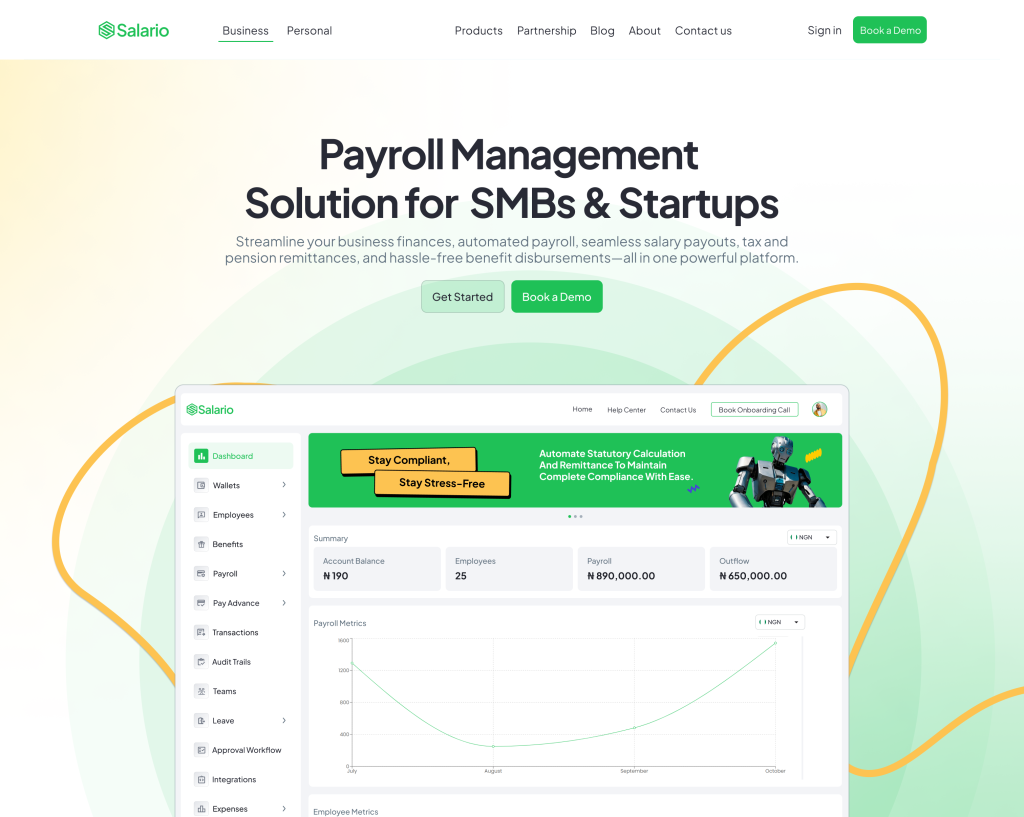
Salario helps growing organizations strengthen their financial operations through powerful automation and visibility tools that complement effective asset management.
Powerful Automation Features
Salario automates key financial processes, reducing manual work and minimizing errors in areas that intersect with asset management, such as expense management and financial reporting. This automation improves overall efficiency and accuracy.
Audit Ready Records
The platform maintains comprehensive, well-organized records that make audits smoother and less stressful. Growing organizations benefit from having reliable documentation readily available whenever needed.
Real Time Transparency and Visibility
Salario provides clear dashboards that give leaders real time insight into financial data. This transparency helps connect asset management with broader financial oversight, supporting better decision making as the organization scales.
Conclusion
Effective asset management for growing organizations is not just about keeping track of items. It is about protecting value, ensuring compliance, reducing waste, and supporting informed decision making. By implementing the best practices outlined in this article, businesses can build a strong foundation that scales with them. The right combination of policies, processes, and technology turns asset management from an administrative burden into a strategic advantage. Organizations that invest in proper asset management position themselves for smoother growth and long-term success.
Ready to strengthen your asset management practices? Book a demo with our team to assess your current system and consider how automation and better visibility can support your growth journey. With Salario, you can build efficient, compliant, and scalable operations!