Stablecoin payroll adoption is fast moving from an emerging idea to a practical solution that business owners and founders are actively exploring and adopting. Startups and forward-thinking diaspora founders are especially drawn to it because of its potential to solve long standing payroll frustrations in a more efficient way.
For business owners managing remote teams, particularly those operating in Nigeria, traditional payment methods often create more problems than they solve, from high fees and delays to currency risks and limited visibility. This article explores why stablecoin payroll adoption will start with remote teams and how it effectively addresses the major concerns diaspora founders face. Let’s dive in!
The Persistent Pain Points of Paying Remote Teams Traditionally
Business owners managing remote teams in Nigeria encounter several recurring challenges when relying on conventional banking systems for payroll. Distance, regulatory hurdles, and economic realities combine to make cross-border salary payments stressful and inefficient. These issues often lead to delayed payments, higher costs, and reduced trust between founders and their remote teams. Understanding these pain points help explain why many are looking for better alternatives like stablecoin payroll.
High Transaction Fees and Unfavorable Exchange Rates
Traditional international transfers involve multiple banks and intermediaries, each taking a cut through fees and poor exchange rate. For remote teams that require monthly payments, these costs add up quickly and reduce the actual amount employees receive. Many diaspora founders find themselves frustrated as a significant portion of their payroll budget disappears before it reaches team members in Nigeria.
Slow Transfer Times and Unpredictable Delays
Banking processes often take several business days, sometimes longer due to regulatory checks or liquidity issues. Time zone differences make it even harder to resolve problems quickly. Remote teams waiting for salaries can become demotivated, and business owners lose valuable time chasing updates, instead of focusing on growth
Currency Volatility and Value Loss
The naira’s fluctuations can significantly reduce the real value of salaries between the time funds are sent and when they are received. This creates uncertainty for both the business owner and the employee. Remote teams often bear the brunt of this volatility, leading to dissatisfaction and higher turnover rates.
Limited Visibility and Reconciliation Issues
When payments cross borders, it becomes difficult to track exactly when funds arrive and how they are processed. Manual reconciliation is time-consuming and prone to errors. This lack of transparency makes it hard for remote founders to maintain confidence in their payroll process.
Compliance and Administrative Burden
Navigating tax requirements, statutory contributions, and documentation for remote teams across jurisdictions adds significant complexity. Many diaspora founders worry about making compliance mistakes that could result in penalties or operational disruptions.
Why Stablecoin Payroll Adoption Will Start with Remote Teams
Remote teams represent the ideal environment for stablecoin payroll to take off first. Their unique structure and challenges make them more open to innovative solutions that traditional payroll systems failed to address effectively. Here are some of the reasons why stablecoin payroll adoption will start with remote teams.
Inherent Cross-Border Nature
Remote teams often include members in Nigeria working with founders and stakeholders abroad. This naturally creates frequent international payment needs. Stablecoin payroll eliminates many of the traditional barriers associated with cross-border transfers, making it a natural fit for teams that already operate across locations.
High Sensitivity to Speed and Cost
Remote teams value quick access to their earnings. Stablecoin payroll offers near instant settlement at significantly lower costs compared to bank wires. This speed and efficiency directly improve employee satisfaction and retention, which are critical concerns for diaspora founders with remote teams.
Comfortability with Digital Tools
People who work remotely are typically more comfortable adopting new digital solutions, including digital wallets and blockchain based payments. This familiarity lowers the Barr to entry for Stablecoin payroll compared to more traditional workforces.
Flexibility for Global Talent
Remote teams frequently include freelancers, contractors, and full time staff across different countries. Stablecoin payroll provides a unified payment rail that works seamlessly regardless of location, making it easier for companies to build and manage truly global teams.
Motivation for Better Innovation
Startups and founders with remote teams operate in highly competitive environments where efficiency and employee experience give them an edge. These organizations are more willing to test and adopt stablecoin payroll early because they prioritize agility and modern solutions.
How Stablecoin Payroll Solves the Biggest Concerns of Diaspora Founders with Remote Teams.
Stablecoin payroll is not just another payment option. It directly tackles the core frustrations that remote business owners experience with traditional methods.
Faster and More Predictable Payments
Stablecoins payments settle in minutes rather than days, giving remote teams reliable access to their salaries. This predictability reduces anxiety and builds stronger trust between founders and their remote teams.
Reduced Cost and Better Value Preservation
By cutting out multiple intermediaries and minimizing exchange rate losses, stablecoin payroll helps more of the allocated budget reach the employees. The stable value peg also protects against local currency volatility, ensuring salaries maintain their intended worth.
Improved Transparency and Visibility
Every transaction on the blockchain creates a clear, immutable record. Business owners gain real time visibility into when payments are sent and received, making reconciliation much simpler and reducing disputes.
Simplified Compliance for Distributed Teams
With the right platform, stablecoin payroll can incorporate necessary compliance tools and documentation. This makes it easier to meet regulatory requirements while managing a remote workforce across borders.
Enhanced Employee Experience
Remote employees appreciate the speed, lower fees, and convenience of receiving payments in stablecoins. This positive experience contributes to higher satisfaction and loyalty.
How Salario Helps Diaspora Founders Embrace Stablecoin Payroll Adoption
Salario is designed to make stablecoin payroll practical and accessible for diaspora founders with remote teams.
Seamless Payment Infrastructure
Salario provides reliable infrastructure that supports both traditional and stablecoin payment methods, giving remote teams flexibility while maintaining full compliance.
Automated Compliance and Reporting
Salario handles complex Nigerian regulatory requirements automatically, reducing the administrative burden on business owners managing remote teams.
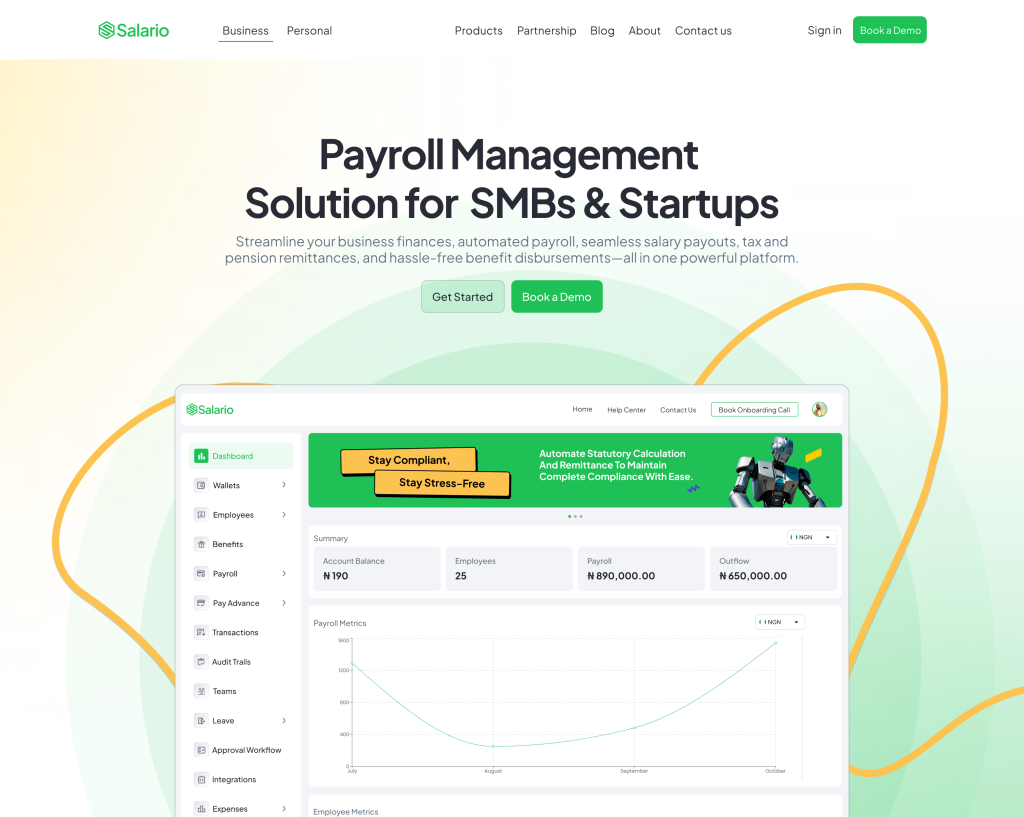
Real Time Visibility Dashboard
Diaspora founders can monitor payroll status, track transfers, and gain complete oversight through an intuitive dashboard from anywhere in the world.
Employee Friendly Self Service Tools
Team members can easily access their payment records and manage personal details, improving the overall experience for remote employees.
CONCLUSION
Stablecoin payroll adoption is poised to begin with remote teams because these groups experience the most challenges associated with traditional payment methods. Their need for speed, cost efficiency, transparency, and flexibility makes stablecoin payroll adoption a natural solution. As more diaspora founders embrace this solution, it will pave way for broader adoption across Nigeria. Salario is ready and fully equipped to support this shift with powerful tools and deep local expertise. Book a demo with our team today to see how seamless Salario makes stablecoin payroll. With Salario, you can transform the way you pay your remote team!