Nigerian payroll compliance for diaspora business owners is one of the most stressful responsibilities to face. Nigeria’s rules and regulations around PAYE, NHF, pensions, NSITF, ITF, and annual returns change frequently and are complex to track from abroad. One missed remittance, incorrect deduction, or late filing can lead to penalties, audits, back-payments, or legal trouble, all of which can hurt cash flow and business growth.
Many Diaspora business owners feel constant pressure, worried about whether salaries are paid correctly, records are accurate, or the business is legally protected, all while trying to run the business from another country. This complete guide walks you through everything you need to stay compliant, from registration to filing deadlines, so you can protect your business and focus on growth. Let’s dive in!
Why Nigerian Payroll Compliance Matters for Diaspora Business Owners
For owners managing Nigerian businesses from abroad, compliance isn’t optional, it’s protection. Here are some of the reasons it matters deeply:
Avoids Heavy Penalties & Fines
Late or incorrect remittances trigger FIRS, PENCOM, and ITF penalties that can reach hundreds of thousands of naira or even millions, and disrupt cash flow. A single oversight, even an honest mistake can create long-term financial strain. Staying compliant keeps your business safe from these avoidable costs and interruptions.
Protects Your Business Reputation
A compliant payroll record builds credibility with banks, investors, and partners, essential when you’re operating remotely. Clean compliance shows professionalism and reliability. It makes it easier to secure funding, win contracts, or build strategic relationships, all of which are harder to achieve when compliance is in question.
Builds Employee Trust & Retention

Accurate, timely pay and proper tax certificates show employees they’re valued. When your team sees their deductions are handled correctly and they receive their certificates on time, trust grows. This reduces turnover and keeps your best talents committed, which is very important in a competitive talent market.
Ensures Legal & Operational Safety
Compliance prevents legal disputes, blocked tax clearance certificates, or business restrictions. Without it, you risk investigations, frozen accounts, or inability to operate smoothly. Staying compliant gives you operational freedom and peace of mind.
Supports Long-Term Growth
Clean records make scaling easier, whether hiring new staff, opening branches, or securing funding, without compliance baggage. When your payroll is compliant and well-documented, you can focus on expansion instead of fixing past issues.
Payroll Compliance Checklist for Nigerian Business Owners in the Diaspora
This checklist covers every major requirement for Nigerian payroll compliance for diaspora business owners, from registration to filing and audits. Follow it step by step to stay safe and compliant.
PAYE Registration
Register your business with SIRS and obtain a Taxpayer Identification Number (TIN). Register all employees for PAYE, each employee should register with their state internal revenue service. This is the foundation, without it, you cannot legally deduct or remit payroll taxes. Do this early and keep the TIN accessible for all future filings.
Pension Contribution

Register employees with PenCom and obtain RSA PINs for each one. Deduct 8% from employee salary and contribute 10% as employer every month. Remit both portions to the employee’s pension fund administrator on time. Missing this step can lead to PenCom penalties and employee dissatisfaction.
Statutory Deductions
Calculate and deduct state-specific PAYE, NHF at 2.5% of basic salary, NSITF, and ITF correctly every month. These must match the latest regulations. Errors here are common causes of FIRS queries. Double-check every run to avoid corrections later.
Filing Deadlines

Remit PAYE and pension contributions by the 10th of the following month. File annual PAYE returns with FIRS by January 31, and PenCom schedules by March. Missing deadlines triggers automatic penalties. Set calendar reminders and automate where possible to stay on track.
Issue Annual Tax Certificates
Provide every employee with their PAYE withholding tax certificate by January 31 each year. These certificates are required for employees to file personal tax returns. Failure to issue them can cause employee complaints and compliance issues.
Maintain Audit-Ready Records
Keep digital or physical records of payslips, remittance proofs, approvals, and employee data for at least seven years or more. Good record-keeping makes audits quick and painless. Digital tools with audit trails are the easiest way to stay organized remotely.
Conduct Internal Compliance Reviews
Review payroll runs quarterly, check deductions, remittances, and reports for errors. Early detection prevents small issues from becoming big problems. Regular reviews keep you proactive and confident.
Common Payroll Compliance Mistakes to Avoid
Most compliance issues are preventable if proper measures are put in place. Here are the most common mistakes diaspora owners make, and how to avoid them.
Using incorrect state PAYE rate
It is always advisable you cross-check with the current SIRS rates for each employee’s location, so as to avoid making wrong deductions.
Late or missed remittances
Missing remittance deadlines comes with penalties. Set automatic reminders and use payroll software like Salario, to ensure timely submission.
Failing to file annual returns
To avoid forgetting to file annual returns, schedule them well in advance and treat them as non-negotiable deadlines.
Poor record-keeping
Use digital tools with built-in audit trails to store everything securely and accessibly.
Not issuing tax certificates
Automate tax certificates generation and distribution through your payroll platform.
Ignoring updates to regulations
Subscribe to FIRS and PenCom alerts or use software that auto-updates rules.
Salario’s Solution for Nigerian Payroll Compliance
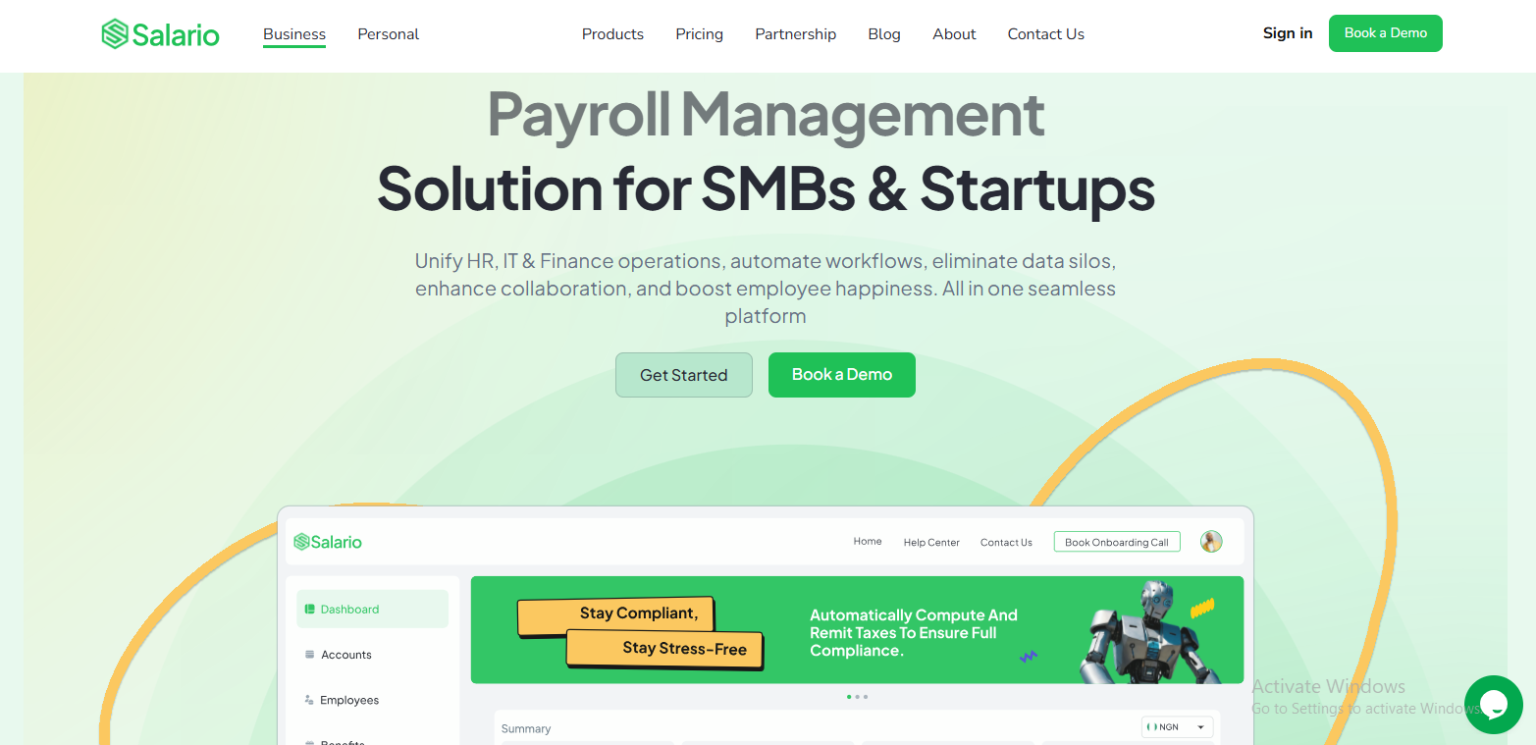
Salario is built specifically for diaspora business owners, making Nigerian payroll compliance for diaspora business owners simple, automatic, and worry-free.
Deep Local Compliance
Salario automatically handles state PAYE, NHF, pensions, NSITF, and ITF, always with the updated regulations. You never need to manually check rates or formats.
Payroll Automation
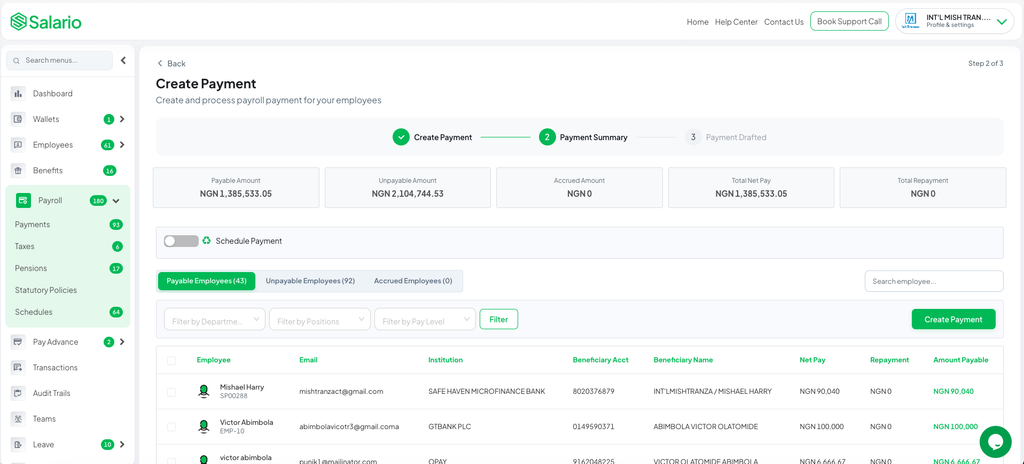
Salario calculates everything automatically, gross-to-net, deductions, and bonuses, no manual spreadsheets or calculations required. It runs payroll accurately every time.
One-Click Reports
Generate FIRS, PenCom, and ITF filings ready to submit with one click. No reformatting or missing details, reports are regulator-approved and audit-ready.
Employee Self-Service Portal
Employees view payslips, download tax certificates, and update personal details themselves. This reduces your workload and builds transparency and trust.
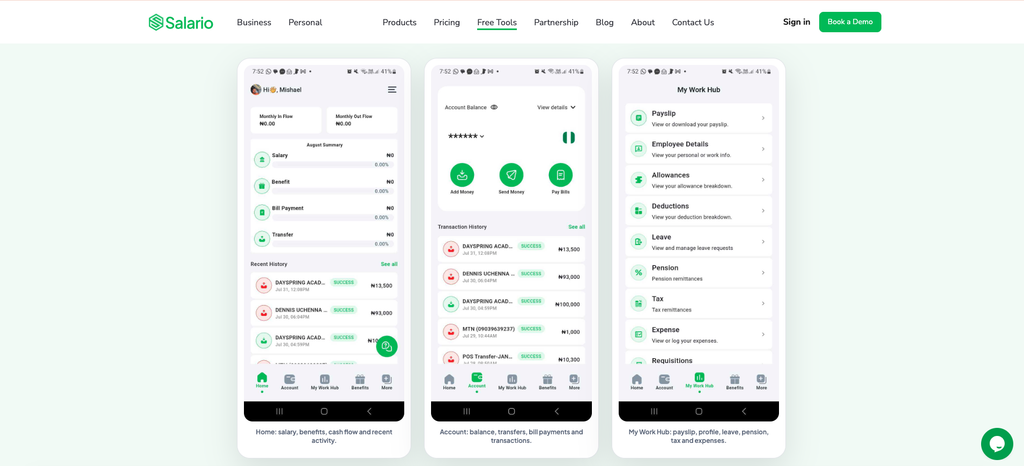
Full Remote Access
Manage everything from anywhere through your phone or laptop, any time zone. Approve payroll, review updates, and monitor compliance in real time.
Integrations
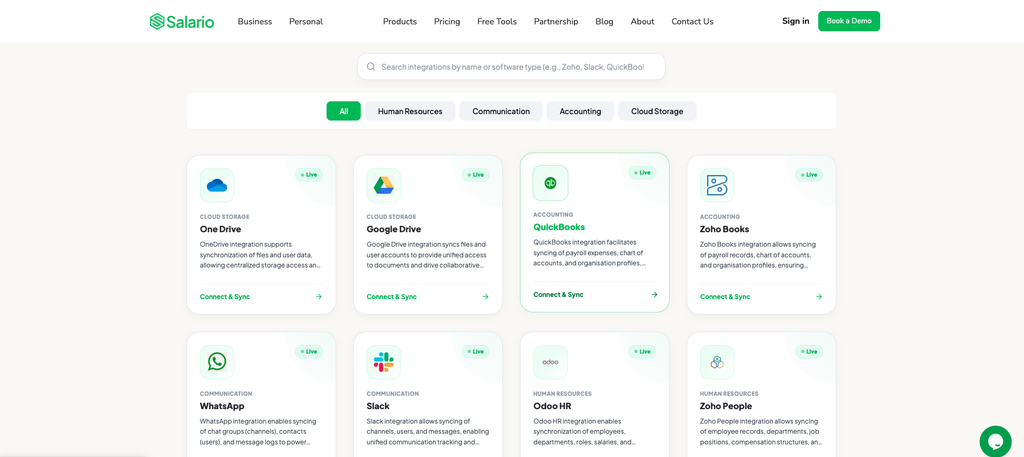
It connects natively with your favorite tools like Zoho Books, Odoo, QuickBooks, and more for seamless workflow. Payroll and accounting stay perfectly aligned.
Salario removes the stress of Nigerian payroll compliance for diaspora business owners so you can focus on running and growing your business.
Conclusion
Nigerian payroll compliance for diaspora business owners is a lot to handle for most diaspora business owners. One mistake can lead to penalties, audits, or business disruption. For diaspora business owners looking for an all-in-one platform to stay compliant with Nigeria’s ever-changing payroll rules and regulations, Salario is your best choice. Salario is a reliable platform for diaspora owners seeking seamless payroll automation, deep local compliance, employee self-service, integrations, and full remote control. Book a demo with our team today and take full control of your Nigerian payroll compliance. With Salario, you never have to worry about compliance iss